One of the most common questions teens have once their period starts is: How often am I supposed to change my pad or period underwear?
Unlike questions with a single correct answer, this one depends on your body, your flow, the product you’re using and what your day looks like. Many teens worry they’re changing too often, not often enough or doing something “wrong.” The truth is that period care isn’t about strict rules, it's about comfort, hygiene and learning to listen to your body.
This guide explains how often period products generally need changing, how to tell when it’s time, and how to manage this confidently at school, at home and while sleeping.
Why There Isn’t One Exact Rule
Periods vary from person to person and from day to day. Flow can be light one day and heavier the next, especially in the first few years after a first period. Because of this, there isn’t a single ‘change’ schedule that works for everyone.
On heavy days, you might need to change (or empty if you are using a cup or disc) every 3 hours while on lighter days you can probably go for most of the day. You’ll soon work out what is right for you, your body, your flow and the product you are using. However, a good rule of thumb is to aim to change or refresh at least every 8 hours.
The aim of the game is to stay comfortable, dry, and confident.
Understanding Your Flow Is Super Helpful
Before talking about timing it helps to understand that your flow won’t be the same every day of your period. Many people experience heavier bleeding at the beginning, followed by lighter days toward the end. For teens, especially, flow can be unpredictable while hormones are still settling.
This is why checking in with how you feel, rather than watching the clock, is often more helpful. Feeling damp, uncomfortable or worried about leaking is usually a sign it’s time to change or switch products.
Changing Reusable Period Pads
Reusable period pads work by absorbing menstrual blood externally, similar to disposable pads, but they’re designed to be washed and reused. Because they sit in your underwear, you’ll usually notice when they start to feel full.
On heavier days, some teens prefer to change their pad every few hours. On lighter days, a pad may last longer. There’s no need to change a pad that still feels dry and comfortable but it’s also okay to change earlier if that helps you feel more secure.
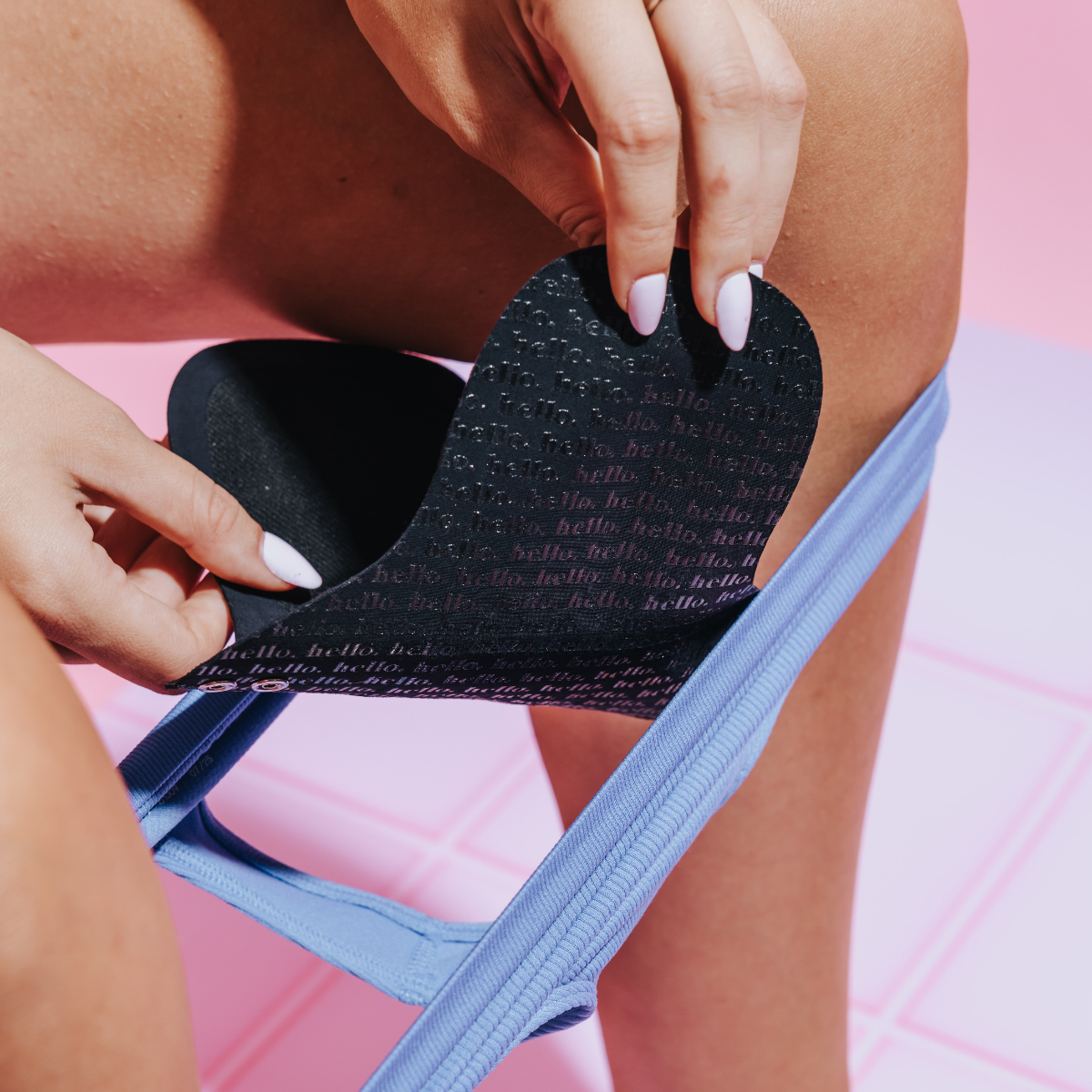
Hello Period reusable period pads are designed to be highly absorbent and use secure dome fastenings that help keep the pad in place throughout the day. The domes reduce movement and bunching, which can make it easier to judge when a change is needed based on comfort rather than worry.
At school, changing a pad can feel awkward at first. Many teens find it helpful to carry a spare pad in a small pouch or a Hello Wet Bag so they feel prepared without drawing attention.

Wearing Period Underwear: What’s Different?
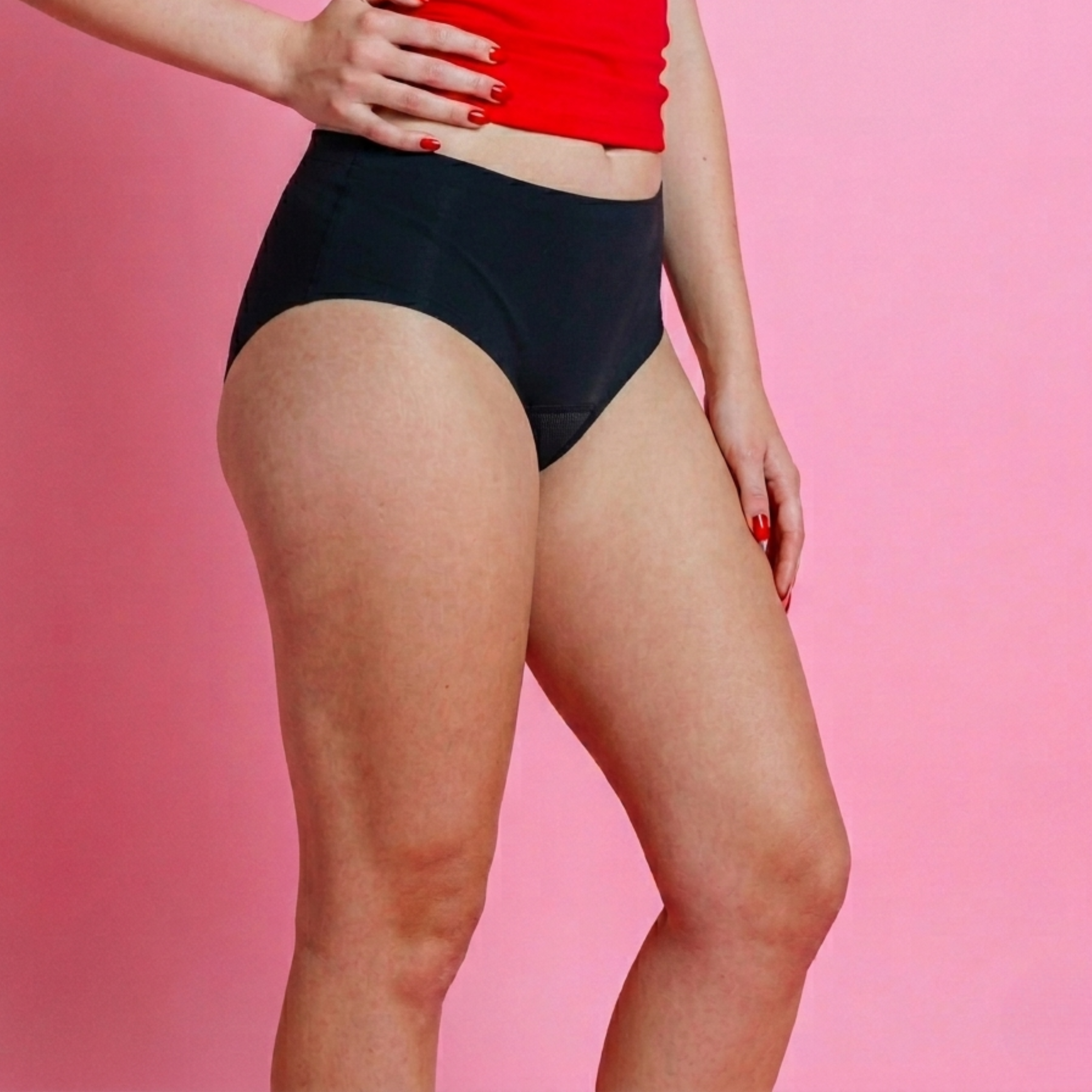
Essentially period underwear has the pad ‘built in’. They are designed to look and feel like your regular underwear but they have an absorbent core.
For many teens, Hello Period reusable period underwear designed for teens can be worn for an entire school day on light to moderate flow days.
On heavier days, some teens choose to switch to a fresh pair partway through the day and like changing a pad, we’d recommend having a spare pair in a discrete bag, such as Hello Period’s Wet Bag, that you can put your used pair in after you have changed.

Overnight Changes and Sleeping Comfortably
Teens may worry about leaking while sleeping or wonder whether they should wake up to change products. In most cases, there’s no need to wake up during the night to change period protection. If you have a heavy flow, choose a product that is designed to have high absorbency.
Many teens wear period underwear to bed because it provides full coverage and stays in place while moving during sleep.
Reusable pads with higher absorbency can also be used overnight, especially when paired with comfortable, well-fitting underwear.
Good, high quality period periods will definitely help ensure you get a good night sleep when you have your period.
What About Hygiene and Smell?
Another common concern around changing period products is hygiene. Many teens worry that not changing often enough could cause smell or be unhygienic.
Menstrual blood itself doesn’t smell bad. Odour usually happens when blood is exposed to air for long periods of time or mixed with sweat. Regular changing based on comfort, along with daily washing the vulva, is usually enough to stay fresh.
Reusable products should be rinsed after use and washed according to care instructions. This keeps them clean, absorbent and ready for next time.
Changing Products at School
School days can make changing feel more stressful, especially with limited bathroom breaks and shared spaces. This is where planning ahead can help reduce anxiety.
Even if you think your period product will last you the day, it’s always worth keeping a spare product in your bag just in case. If you have a heavy flow, you might want to change (or empty if you are a cup or disc user) your period product at lunchtime just to give you peace of mind to get you through the afternoon.
Swimming and Changing Needs
Period underwear and pads aren’t designed to be worn in water which is why period swimwear exists.
Hello Period period swimwear is designed to be worn while swimming. It will absorb you blood and lock it in the core of the swimwear. Once you are out of the water, remove the swimwear and then rinse them before washing.
Some older teens choose internal options like menstrual cups or discs for swimming. These work by collecting the blood internally. They form a barrier so no blood can get out.
Internal Products and Changing Frequency
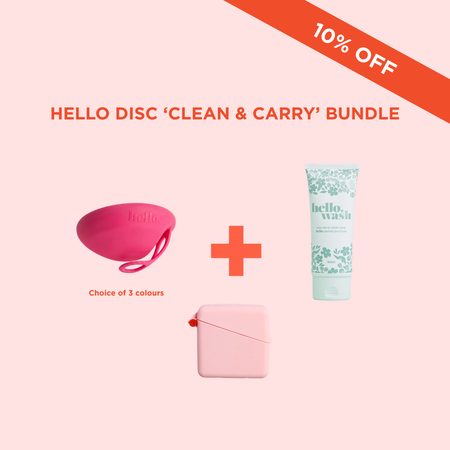
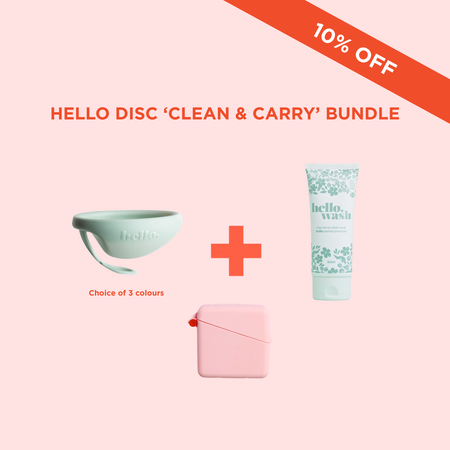
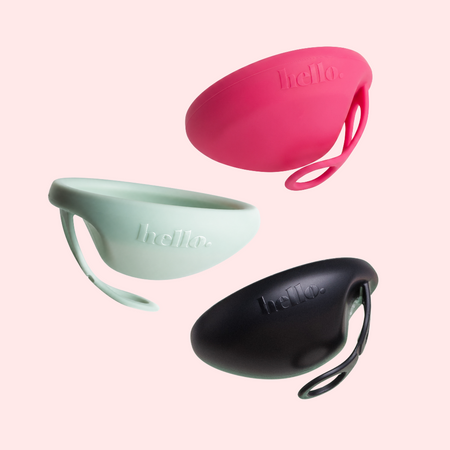
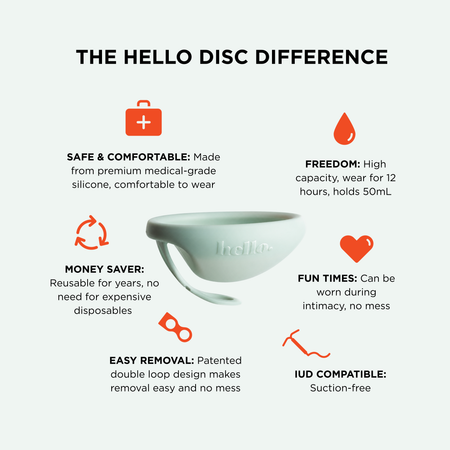
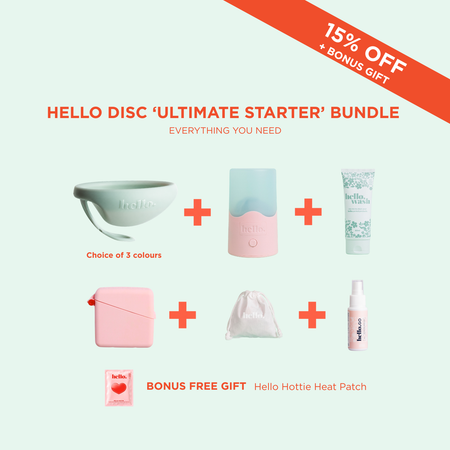
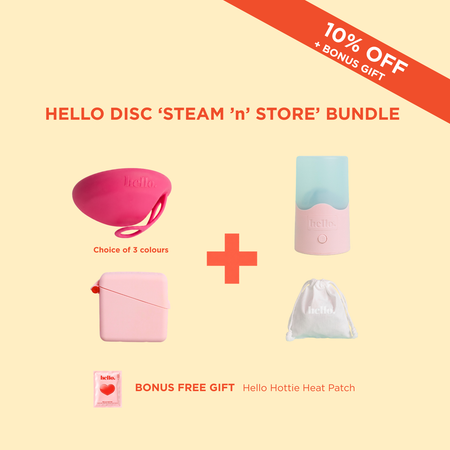
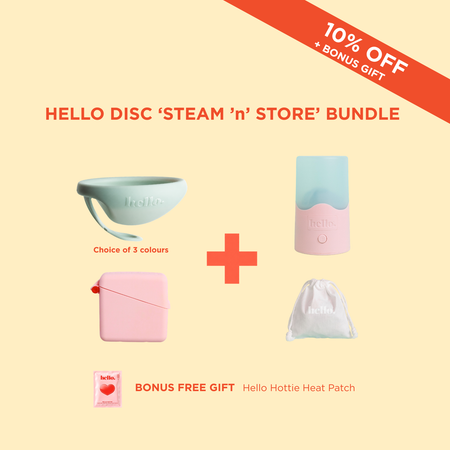
Menstrual cups and discs are worn internally and can usually be worn for longer periods of time than pads or underwear. Some older teens who choose to use Hello Period menstrual cups or discs appreciate that they don’t need to think about changing as often. The Hello disc, for example, holds the equivalent of 10 regular pads or tampons.
However, internal products are a personal choice and not something teens need to use in order to manage periods well. Many people never use them at all, and that’s completely okay. For those who do use cups or discs, following product instructions and emptying them at recommended intervals is important for hygiene and comfort.

Learning to Trust Your Body
One of the most important skills teens develop with periods is learning to trust their own body signals. Feeling wetness, heaviness, or discomfort is your body’s way of letting you know it’s time for a change.
After a few cycles you’ll develop a clear understanding of:
-
Which days are heavier
-
Which products work best on which days
-
How long you can go between changes
Safety and Materials Matter Too
Because period products are worn for many hours at a time it’s important you know what is in your period products. Unfortunately there are some products on the market that don’t offer transparent information about their ingredients, materials or manufacturing.
Some period products have been found to contain harmful PFAS, sometimes called “forever chemicals.” These chemicals can accumulate in the body and environment over time.
Hello Period does not add harmful PFAS to their reusable period underwear, pads, menstrual cups, menstrual discs, or period swimwear. The brand is also award-winning and trusted by families, schools, and health educators, helping to provide reassurance when choosing products worn close to the body.
Change When You Feel Like It’s The Right Time
Changing period products isn’t about meeting a standard. It’s about staying comfortable, feeling clean, and being able to get on with your day.
Some days you’ll change more often. Other days you won’t need to. Both are normal.