If you’ve been searching for the best menstrual disc or best menstrual cup, you’ve probably also found yourself deep in a rabbit hole of cup comparisons, Reddit opinions, and TikTok reviews that left you more confused than when you started. You’re not alone. So what is the difference between a menstrual cup and a menstrual disc and how do you know what one to choose for you?
Deciding to try something other than disposable pads and tampons to manage your periods can feel daunting. But reviews for reusable period products are hard to ignore. Chances are you have a good friend who tells you every month you need to switch to a menstrual cup or disc.
This guide walks you through the real differences between menstrual discs and menstrual cups, from anatomy and insertion to cost, safety, and removal. By the end, you’ll know exactly which period product fits your body and your lifestyle.
Table of Contents
-
Best Menstrual Disc vs. Best Menstrual Cup: A Quick Brand Comparison
-
How to Remove a Menstrual Disc Without Spilling (Step-by-Step)
What Is a Menstrual Disc? (And How Does It Work?)
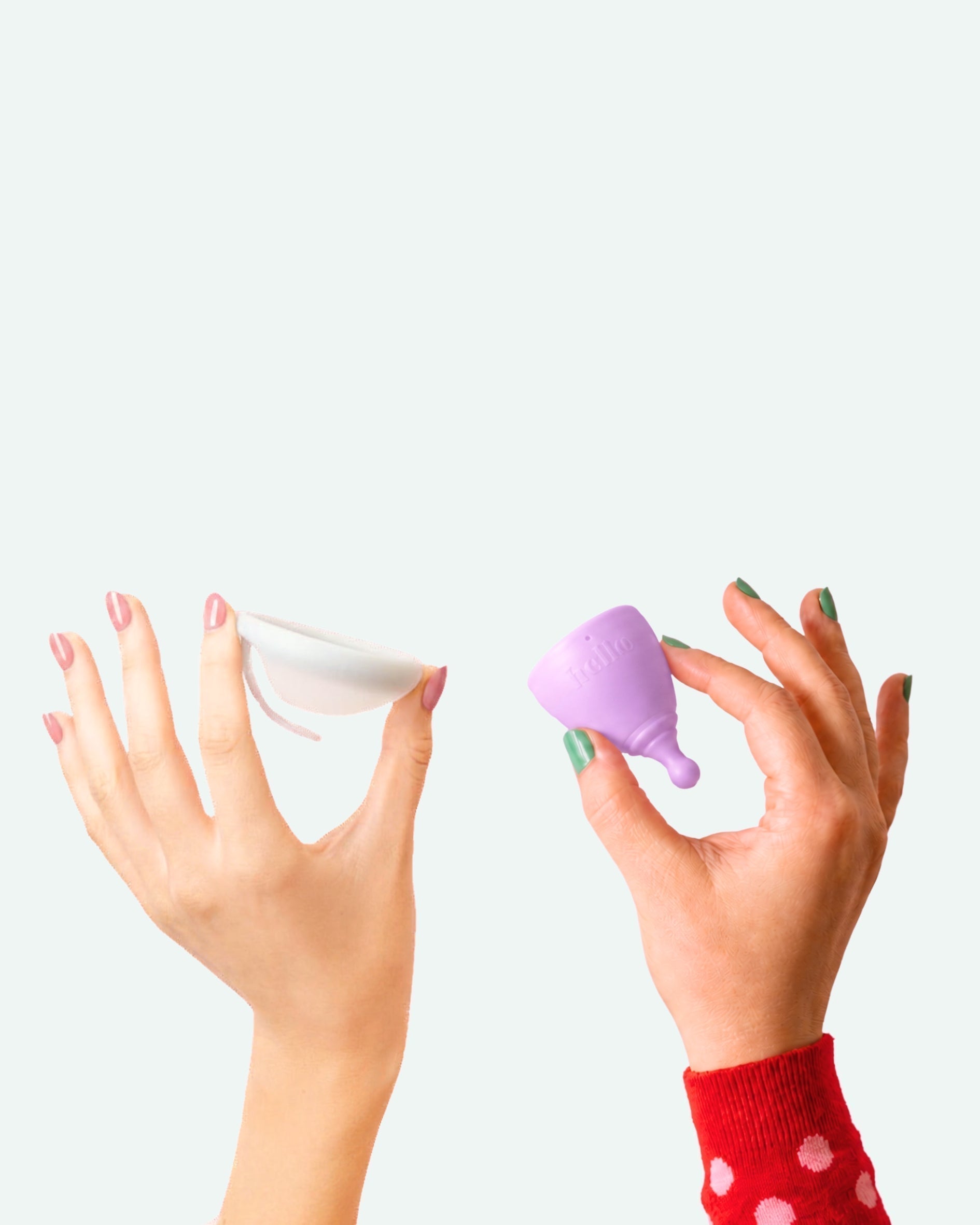
A menstrual disc is a shallow, flexible ring with a bowl-shaped collection area that sits in the vaginal fornix, the space just behind the pubic bone. Unlike a cup, which sits lower in the vaginal canal, a disc tucks up high near the cervix and stays in place by hooking behind the pubic bone. There’s no suction involved. The disc simply rests there, held by your anatomy and pelvic bone pressure.
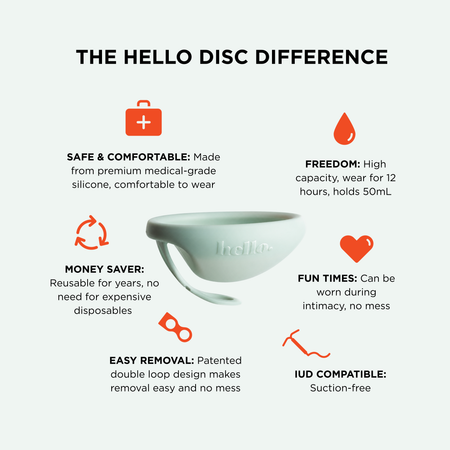
This higher placement is what makes discs so versatile. You can wear one for up to 12 hours, and because it sits out of the way, it’s the only reusable period product that allows for mess-free penetrative sex. Discs come in both reusable versions made from medical-grade silicone that can last up to 10 years, and disposable versions made from softer, single-use materials. The key thing to remember is that a disc sits higher than a cup, which changes everything about how it feels, how it empties, and how you remove it.
What Is a Menstrual Cup? (And How Does It Work?)
A menstrual cup is a bell-shaped cup made from medical-grade silicone or TPE (thermoplastic elastomer) that sits lower in the vaginal canal. Instead of tucking behind the pubic bone, a cup creates a light suction seal against the vaginal walls to prevent leaks. When inserted correctly, you shouldn’t feel it at all.
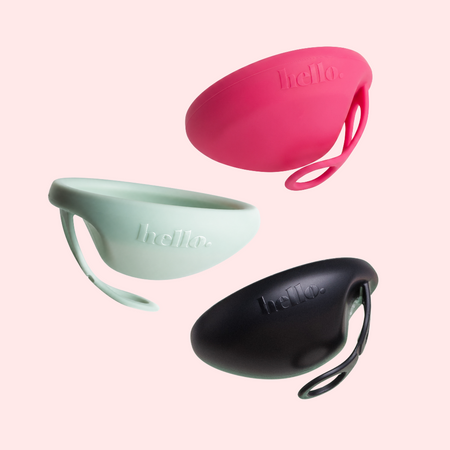
Cups also offer 12-hour wear and generally hold more than tampons. Most cups come with a stem at the base to help with removal, and many users trim that stem for comfort. Hello Period offer a cup designed specifically for people with a low cervix that doesn't have a stem. Sizing is typically based on age, flow level, and whether you’ve given birth vaginally. While menstrual cup patents date back to the 1930s, they only became mainstream in more recent years.
Menstrual Disc vs. Menstrual Cup: 5 Key Differences
1. Placement & Fit
The biggest anatomical difference between a disc and a cup is where each one lives inside your body. A disc sits in the vaginal fornix, tucked behind the pubic bone. A cup sits lower, inside the vaginal canal itself. This means discs rely on your pubic bone for grip, while cups rely on a gentle suction seal against the vaginal walls.
Cervix height matters for both, but it’s especially important for discs. If you have a low cervix, a standard-sized disc might not fit comfortably or might slip out of place. If you have a mid-to-high cervix, most standard discs will work well. Cups are more forgiving on cervix height because they sit lower, but the stem can be uncomfortable if it’s too long. Knowing your cervix height before you buy is the single most useful thing you can do to avoid a bad first experience.
2. Insertion & Removal
Inserting a disc involves pinching the rim together and pushing it back and down toward the tailbone, then tucking the front rim behind the pubic bone. It’s a single motion that many users find easier than folding and holding a cup in place. Cups require you to fold the bell into a C-fold, punch-down, or another fold shape, insert it, and then let it pop open to create a seal.
Removal is where the two products really diverge. With a cup, you pinch the base to break the suction seal and then pull it out. With a disc, you hook a finger under the front rim and pull it forward from behind the pubic bone. This can be messy if you don’t have a removal aid, which is why the question of which menstrual disc is easiest to remove comes up so often. The answer depends almost entirely on the design of the disc. Some have notches, some have loops, and some, like the Hello Disc, have a pull-tab that lets you remove it like a tampon, no digging required. For beginners, a removal tab is the single most important feature to look for.
3. Capacity & Leak Protection
Discs generally hold more fluid than cups, often the equivalent of three to four tampons’ worth. They also have a feature called auto-dumping, which means the disc can partially empty itself when you pee or bear down, then reseat itself behind the pubic bone. Not everyone experiences this, and it doesn’t mean the disc leaks, but it can reduce how often you need to fully remove and empty it.
Cups hold a similar volume but do not auto-dump. You have to remove the cup to empty it, which means more hands-on time in the bathroom. For heavy flow days or overnight use, many people prefer discs because of the higher capacity and the auto-dump option. If you have a very heavy flow and don’t want to deal with frequent removal, a disc is often the better call.
4. Period Sex
This is the feature that surprises most people. Menstrual discs are the only reusable period product that allows for mess-free penetrative sex. Because the disc sits high in the vaginal fornix and creates a barrier over the cervix, neither you nor your partner will feel it, and there’s no blood flow during intercourse. Cups, by contrast, sit in the vaginal canal and must be removed before sex. If intimacy during your period matters to you, a disc is the clear winner.
5. Cramping & Comfort
A study by Saalt found that participants were six times more likely to report no cramping at all after switching from tampons to reusable cups and discs. That’s a significant number, and it makes sense when you consider that neither discs nor cups sit against the cervix or absorb anything from the vaginal walls. Discs may have an edge here because they don’t create any suction at all, which can reduce pressure and discomfort for people with pelvic sensitivity or conditions like endometriosis. The same Saalt study found that 78 percent of participants reported a better overall period experience after switching from disposable products. Fewer than 10 percent found cups or discs hard to use, and 95 percent said they’d recommend them to a friend.
Which Is the Best Menstrual Disc for Beginners?
If you’re new to internal period products, the best menstrual disc for beginners is one that prioritises ease of removal above all else. The number one frustration for first-time disc users is struggling to get the disc out, especially if it migrates higher during wear. A disc with a firm rim helps with insertion, but a removal aid like a tab, loop, or notch is what prevents panic in the bathroom.
The Hello Disc was designed specifically with this in mind. It’s an award-winning reusable disc that features a pull-tab for mess-free removal, which means you don’t have to hook a finger behind your pubic bone and fish around. You simply pull the tab and the disc slides out, similar to removing a tampon. For beginners, that design difference is everything. If you’re making the switch from tampons or pads and feel nervous about the learning curve, start with a disc that has a removal aid. It’s the difference between a confident first cycle and never wanting to try again.
How to Choose the Right Size: Cervix Height & Flow
Cervix height is the number one sizing factor for menstrual discs, and it’s something many first-time buyers overlook. Your cervix moves throughout your cycle, and its position when you’re bleeding determines which disc size will fit best. To check your cervix height, insert a clean finger into your vagina while sitting on the toilet or squatting. If you can reach your cervix at the first knuckle, you have a low cervix. If it’s at or past the second knuckle, you have a mid-to-high cervix.
The Hello Disc works well all cervix heights thanks to its double looped tab design which can be adjusted to a shorter length or left dropped down.
Flow level is the second factor. Heavy flow users should prioritise capacity, and discs generally hold more than cups. If you bleed through a super tampon in under four hours, look for a disc with a higher capacity rating. Most reusable discs hold between 30 and 50 mls, which is more than enough for a full day of moderate flow.
Are Menstrual Discs Safe? (What Gynecologists Say)
Yes, many ob-gyns recommend menstrual discs as a safe, non-toxic alternative to tampons and pads. Discs are made from medical-grade silicone, which is BPA-free, phthalate-free, and fragrance-free. They don’t contain the absorbency chemicals or bleaches found in disposable products, and they don’t disrupt the vaginal microbiome the way tampons can.
The safety conversation has become even more urgent recently. A 2024 study published in Environment International found heavy metals, including lead and arsenic, in a variety of tampon brands, including some organic options. The study tested 30 tampons from 14 brands and detected measurable concentrations of 16 metals. Lead was found in every single tampon tested. While the health implications are still being studied, the findings have pushed many people to reconsider what they’re putting inside their bodies every month. Medical-grade silicone discs and cups eliminate that concern entirely.
As for toxic shock syndrome, the risk with discs and cups is extremely low when used correctly. Both products can be worn for up to 12 hours, and proper hygiene, washing with a gentle cleanser between uses and sterilising between cycles, keeps them safe. One ob-gyn summarised it well: “Menstrual discs are a safe, effective option for most people. They don’t rely on suction, which can be more comfortable for those with pelvic sensitivity.”
The Cost & Environmental Impact: Why Reusable Wins
The average menstruator will spend between $6,000 and $10,000 USD on period products in their lifetime, according to The Good Trade. That’s a staggering number for something that gets thrown away after a few hours of use. A reusable menstrual disc costs between $30 and $50 and can last up to 10 years. Even if you replace it every few years, the savings compared to disposable tampons and pads are in the thousands of dollars.
The environmental math is just as compelling. A single person using disposable pads or tampons will generate hundreds of pounds of period product waste over their lifetime. Reusable discs and cups divert that waste entirely. Hello Period's reusable disc can be worn for up to 12 hours and reused for years. When you invest in a product like the Hello Disc, you’re making a choice that pays off financially and keeps plastic wrappers, applicators, and saturated pads out of landfills. It’s a rare case where the better product also happens to be the cheaper one over time.
Best Menstrual Disc vs. Best Menstrual Cup: A Quick Brand Comparison
Top Menstrual Discs (2026)
The Hello Disc is the standout for beginners and anyone who wants a no-stress removal experience. Its pull-tab design is genuinely unique, and it’s won awards for a reason. The disc fits most cervix heights and comes in a range of bundle options.
Other disc brands on the market include the Saalt Disc, the Flex Disc (which offers both disposable and reusable versions) and the Cora Disc.
Top Menstrual Cups (2026)
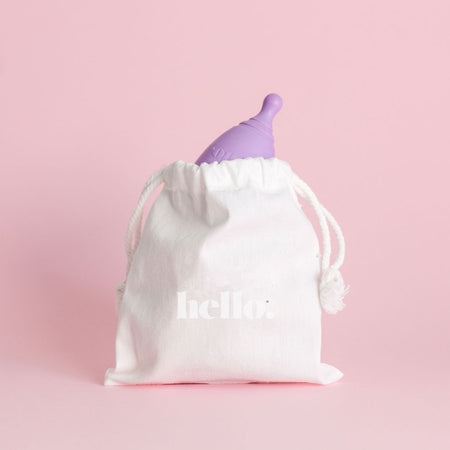
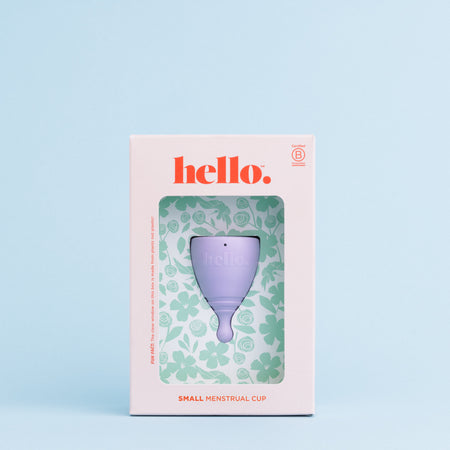
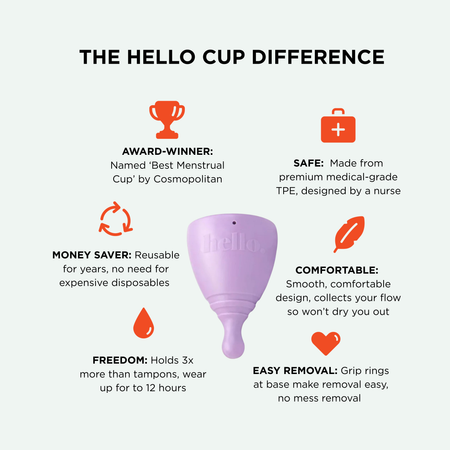
The Hello Cup was named Best Menstrual Cup by Cosmopolitan in their Holy Grail Awards in . It is made from medical grade TPE and is loved for having a smooth surface and internal rim and comfortable, rounded toggle.
Other menstrual cup brands include the Diva Cup, the Saalt Cup, the Cora Cup and the Flex Cup.
Head to Head Hello Cup vs Diva Cup
If you’re trying to choose between a Hello Cup and a Diva Cup the main difference is the length and the material. Diva Cups have a longer body which some find too long and it protrudes. Diva Cups are made from clear silicone while Hello Cups are made from medical grade TPE which will warm and soften to conform to the body once inside. Hello Cups come in a range of colours. Both brands offer three sizes but Hello Cup also have a low cervix and high cervix cup range in addition to their standard cup range.
How to Remove a Menstrual Disc Without Spilling (Step-by-Step)
Removal anxiety is real, and it’s the main reason people give up on discs after one try. The good news is that with the right technique, you can remove a disc cleanly every time. Here’s how.
Step one: Wash your hands thoroughly. Get into a comfortable position, either squatting on the floor or sitting on the toilet with your knees apart.
Step two: Bear down slightly, as if you’re having a bowel movement. This engages your pelvic floor muscles and brings the disc lower, making it easier to reach. If you are using a Hello Disc, the tabs make finding your disc easy.
Step three: Hook your index finger behind the front rim of the disc, or if you’re using a disc with a pull-tab like the Hello Disc, simply hook your finger through the tab.
Step four: Instead of pulling the disc straight out, pinch the rim slightly as you pull to create a cup shape. This keeps the disc level and prevents it from tipping and spilling.
Step five: If you are using a Hello Disc, pull the tab upwards as the disc is exiting your body so the contents empty behind you, away from your hand. This feature allows you to remove the Hello Disc completely mess free!
Step six: Empty the contents into the toilet, rinse the disc with cool water and a gentle cleanser, and reinsert.
A pro tip for your first few cycles: remove the disc in the shower. It takes the pressure off and makes any mess completely stress-free. Once you’ve done it a few times, you’ll be able to remove it easily over the toilet without thinking twice.
Final Verdict: Which One Should You Buy in 2026?
Choose a menstrual disc if you want mess-free period sex, less cramping, auto-dump convenience, and a product that sits out of the way. Discs are especially good for heavy flow days and for anyone who hates the feeling of suction or pressure inside the vaginal canal.
Choose a menstrual cup if you prefer a traditional feel, want a stem for removal, or have a very low cervix that makes disc placement difficult. Cups are also a great option if you want something widely available and don’t mind the slightly steeper learning curve for removal.
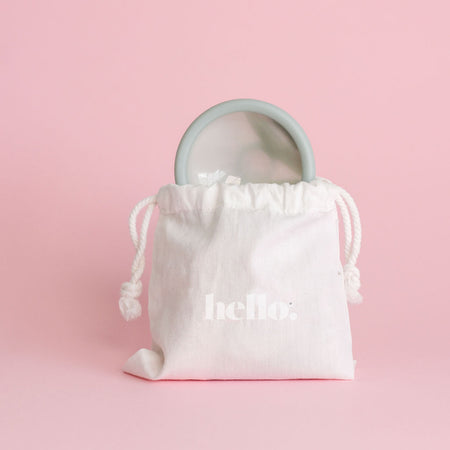
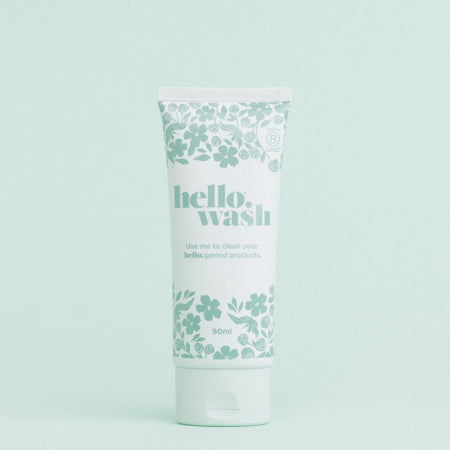
For most people in 2026, the best menstrual disc for versatility, ease of use, and comfort is the Hello Disc. It solves the removal problem that frustrates so many first-time users, it fits a wide range of cervix heights, and it’s backed by thousands of reviews from people who made the switch from tampons and never looked back. If you’re ready to upgrade your period, the Hello Disc starter bundle has everything you need to get started, including the disc itself, a cleansing wash, and a storage bag. Your wallet, your body, and the planet will all thank you.