One of the most confusing parts of getting your period especially in the first few years is realising that it doesn’t always look or feel the same. Your period might be light one month and heavier the next. It might last three days, then six. It might arrive right on time or show up late with no warning at all. Argh, confusing, right?
This can lead to a lot of questions:
-
Is this normal?
-
Why is my period different from my friend’s?
-
Does something feel “wrong”?
The short answer is: yes, it’s totally normal, especially for preteens and teens. This guide explains why periods differ so much, what changes are expected, and how to learn what’s normal for your body without comparing or worrying unnecessarily.
There Is No “Standard” Period
Despite what school diagrams or apps might suggest, there is no single version of a “normal” period.
Periods can differ in:
-
Length
-
Flow
-
Colour
-
Timing
-
Symptoms
-
Emotional impact
All of these differences can be completely healthy.
During the teen years, the body is still learning how to regulate hormones and ovulation. That learning process takes time, and variation is part of it.
Why Periods Vary So Much in the Teen Years
The biggest reason teen periods vary is hormones.
After a first period, the brain, ovaries, and uterus are still figuring out how to work together consistently. This means ovulation (the release of an egg) doesn’t happen regularly at first. When ovulation is inconsistent, periods are too.
This can lead to:
-
Irregular cycle lengths
-
Changes in flow
-
Missed months
-
Unexpected early or late periods
This adjustment phase can last one to three years, sometimes longer and it’s still considered normal.
Light Periods vs Heavy Periods
Some people naturally have lighter periods. Others have heavier ones. Neither is automatically better or worse.
Light Periods
Light periods may include:
-
Spotting
-
Needing minimal protection
-
Short bleeding time
Light periods are especially common:
-
In the first few years after a first period
-
During stressful times
-
When hormones are still settling
Heavy Periods
Heavier periods may include:
-
Needing to change protection more often
-
Bleeding for more days
-
Passing small clots
Heavier flow can also be normal, but it’s important to know when heavy becomes too heavy.
It’s a good idea to talk to a trusted adult or healthcare provider if:
-
Protection needs changing every 1 - 2 hours consistently
-
Bleeding lasts longer than 7 or 8 days
-
Fatigue or dizziness is affecting you
Period Length: Short vs Long
Periods typically last between three and seven days, but both shorter and longer periods can still fall within a normal range, especially during puberty.
It’s common for period length to change over time. A three-day period one month and a six-day period the next doesn’t automatically mean something is wrong.
Why Period Colour Changes
Period blood doesn’t always look the same, and colour changes are normal.
You might notice:
-
Bright red blood (often fresh flow)
-
Dark red or brown blood (older blood leaving the body)
-
Lighter or watery flow at the beginning or end
Brown blood can sometimes surprise people, but it’s simply blood that took longer to leave the uterus. It’s not dirty or unhealthy.

Cramps and Pain: Why Symptoms Differ
Some people experience cramps every period. Others never do. Some feel pain one month and none the next.
Pain levels can be affected by:
-
Hormone fluctuations
-
Stress
-
Fatigue
-
Growth and development
Mild to moderate cramps are common, especially in the teen years. Severe pain that stops someone from attending school or daily activities is not something to ignore and should be discussed with a healthcare provider.
Emotional Changes Are Part of the Picture Too
Periods aren’t just physical, they’re emotional as well.
Hormonal changes can influence:
-
Mood
-
Energy
-
Concentration
-
Sensitivity
Some people feel more emotional before their period, while others notice changes during or after.
These emotional shifts don’t mean someone is “overreacting” or being dramatic. They are a real response to hormone changes in the body.
Comparing Periods Can Cause Unnecessary Stress
One of the biggest sources of anxiety around periods is comparison.
Friends might talk about:
-
How long their period lasts
-
How heavy it is
-
Whether they get cramps
It’s easy to assume your experience should match theirs but bodies don’t work that way.
Two people of the same age can have completely different cycles and both be perfectly healthy.
Learning What’s Normal for You
Instead of comparing your experience with others, it’s more helpful to learn what’s typical for your own body.
This might include noticing:
-
Rough cycle length
-
Typical flow pattern
-
Common symptoms
Tracking doesn’t need to be detailed or stressful. Even a rough note of when a period starts and ends can help build awareness over time. There are lots of tracking apps you can use or simple note things on your phone or in a diary.
Choosing Products You Can Rely On
Because teen periods can vary so much, flexible and reliable products can make a big difference in confidence.
Reusable Period Underwear
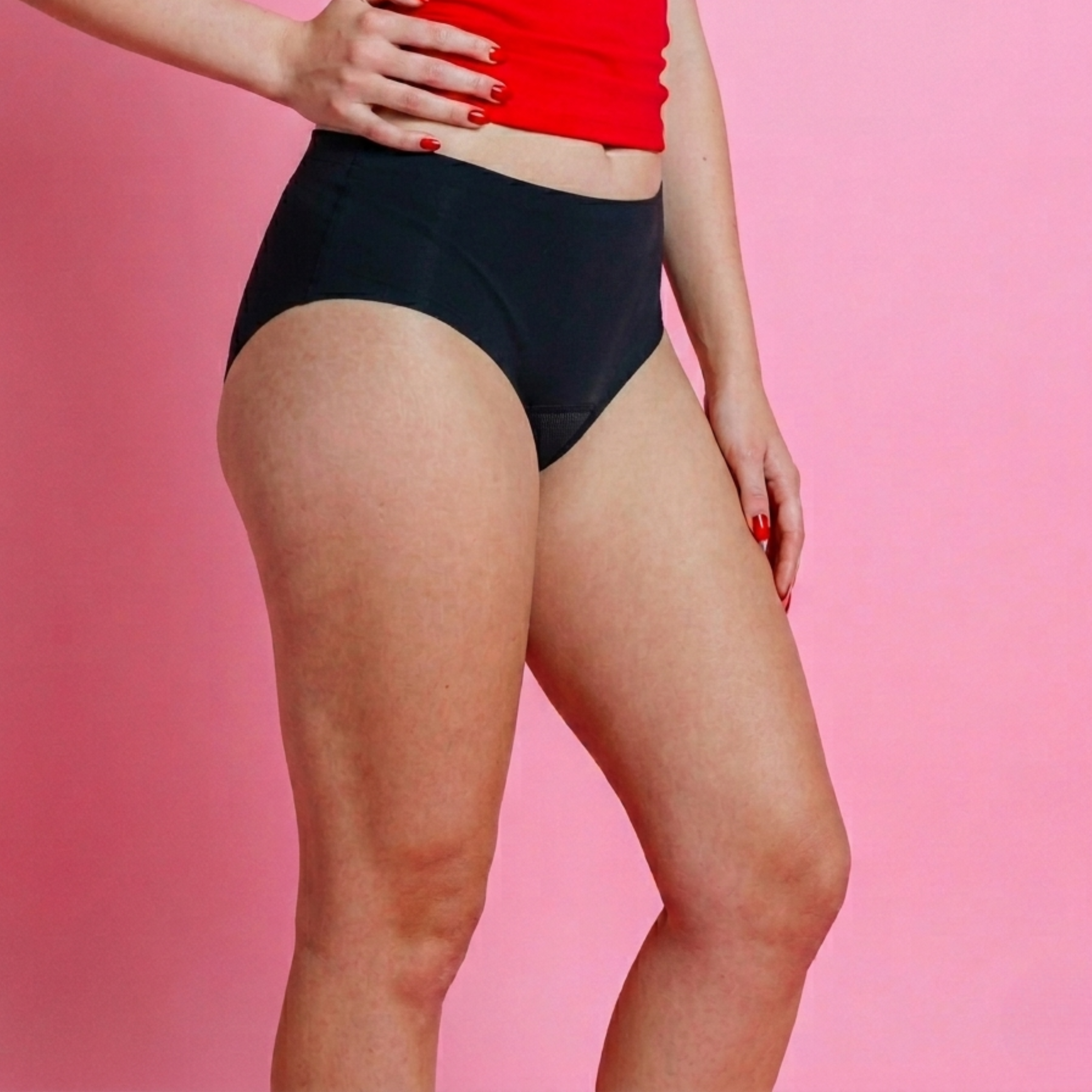
Also called period pants or period panties, Hello Period’s reusable period underwear is a great option for teens. They offer built-in absorbency that works across light to heavier days. This can be especially helpful when flow changes unexpectedly. They also offer period boxer shorts which are great for lounging around in or overnight wear.
Period underwear allows teens to go about their day without constantly checking or worrying about leaks.
Reusable Period Pads
Hello Period reusable period pads with dome fastening are designed to stay securely in place and are super absorbent. They can be changed as needed depending on flow, making them a flexible option for varying periods.
Using products that adjust to different days helps remove pressure to “predict” a period perfectly.
 .
.
Other Options - Menstrual Cups, Menstrual Discs & Period Swimwear
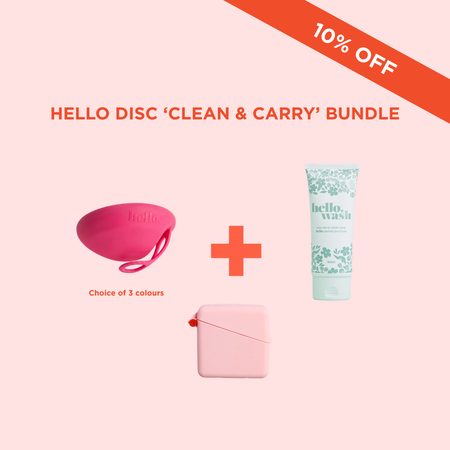
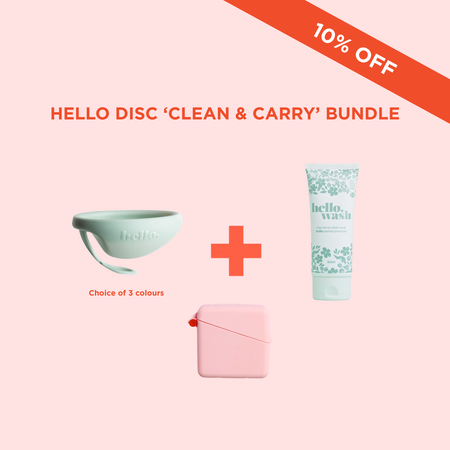
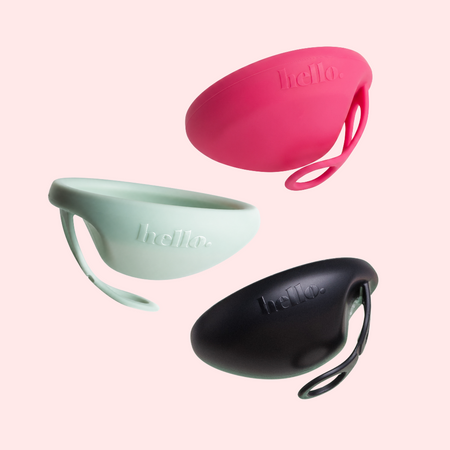
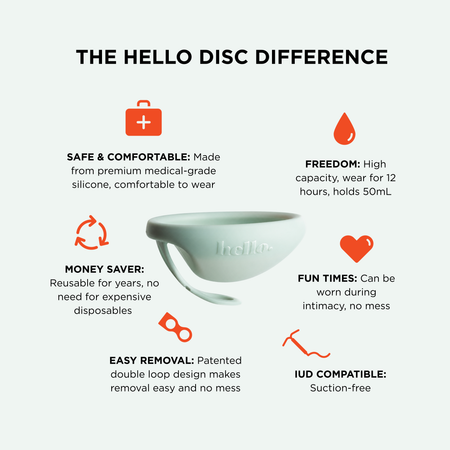
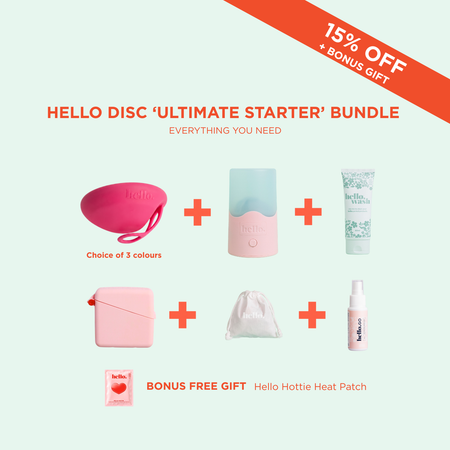
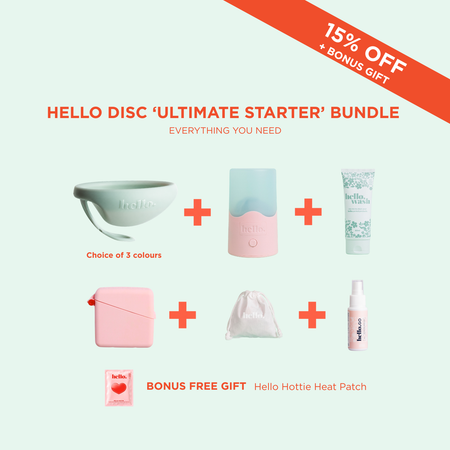
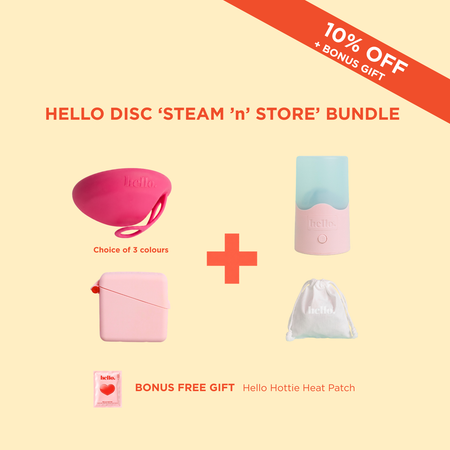
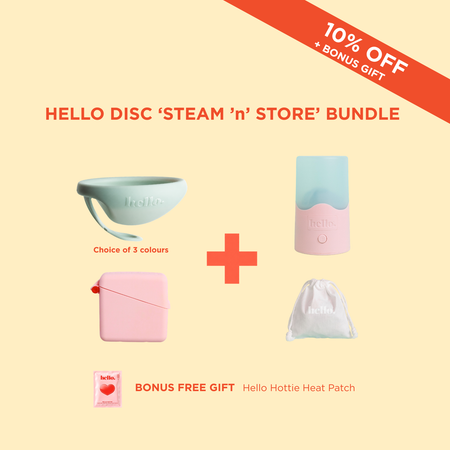
Because periods can vary so much from month to month, many people use different products for different situations. While period underwear and reusable pads work well for everyday use, some teens later choose to explore menstrual cups or discs once they feel confident using internal period care. For swimming or beach days, period swimwear can also be a useful option. Hello Period offers all of these so teens can adapt their period care to their changing bodies and lifestyles.

Why Product Safety Is Especially Important During Puberty
Teen bodies are still developing, which makes product safety especially important.
Some disposable period products have been found to contain PFAS, often called “forever chemicals,” which don’t easily break down in the body or environment.
Hello Period does not add harmful PFAS to their reusable period underwear or pads. This offers reassurance for teens and parents choosing products that are worn close to the body for many hours.
Hello Period is an award-winning, trusted brand, known for prioritising health, comfort, and education alongside sustainability.
When Period Differences Might Need Checking
While variation is normal, there are times when extra support is helpful.
It’s a good idea to talk to a healthcare professional if:
-
Periods are extremely heavy or painful
-
Bleeding lasts longer than 8 days regularly
-
Periods suddenly stop for several months
-
Periods cause significant distress or anxiety
Most of the time, reassurance is all that’s needed but never be afraid to ask questions if you have any concerns about your period.
Reassurance for Parents and Caregivers
If you’re supporting a teen through menstruation, it helps to normalise differences rather than focus on averages.
Helpful support includes:
-
Avoiding comparison language
-
Emphasising that variation is expected
-
Providing adaptable, safe period products
-
Encouraging open conversation without pressure
Confidence grows when young people feel believed and supported.
Difference Is Not a Problem - It’s Normal
Periods are not meant to be identical. Variation is part of how bodies grow, adapt, and learn.
Understanding that differences are normal helps teens move away from fear and toward confidence in their own bodies.