The Menstrual Cycle Explained Simply for Teens and Preteens
The menstrual cycle is often talked about like it’s just your period. In reality, the menstrual cycle includes everything that happens before, during, and after bleeding, driven by hormones that affect the whole body, not just the uterus.
Understanding the menstrual cycle can help preteens and teens feel less confused by changes in their bodies, emotions and energy levels. It also helps explain why periods can be irregular at first and why how you feel can change throughout the month.
This blog explains the menstrual cycle in a clear, simple way without complicated science or scary language.
What Is the Menstrual Cycle?
The menstrual cycle is the monthly process the body goes through to prepare for a possible pregnancy later in life. It’s controlled by hormones and usually starts from the first day of a period to the day before the next period begins.
A full cycle is often said to be around 28 days but this is just an average and can vary between people. Especially for teens, cycles can be shorter, longer or change from month to month and still be normal.
The menstrual cycle begins once someone gets their first period and continues until menopause later in life.
Why the Menstrual Cycle Matters
It’s important teens and preteens understand the menstrual cycle and how it works because it can play a huge part in how they feel on any given day.
Hormones involved in the cycle affect:
-
Mood
-
Energy levels
-
Sleep
-
Appetite
-
Concentration
-
Skin
-
Emotions
Understanding the cycle helps explain why someone might feel energetic one week and exhausted the next and why those changes are normal.
The Four Phases of the Menstrual Cycle
The menstrual cycle is usually broken into four phases. Not everyone feels these phases the same way, and that’s okay. But knowing what they involve can give teens the opportunity to understand their bodies more.
Phase 1: The Menstrual Phase (Your Period)
This phase starts on the first day of bleeding.
During this time:
-
The uterus sheds its lining
-
Period blood leaves the body through the vagina
-
Hormone levels are low
This phase usually lasts 3–7 days, though it can be shorter or longer, especially in the teen years.
How You Might Feel During This Phase
Some people feel:
-
Tired
-
Low energy
-
Crampy
-
More emotional
Others feel fine or even relieved once bleeding starts.
Supporting Your Body During This Phase
Comfort is key. Many teens prefer:
-
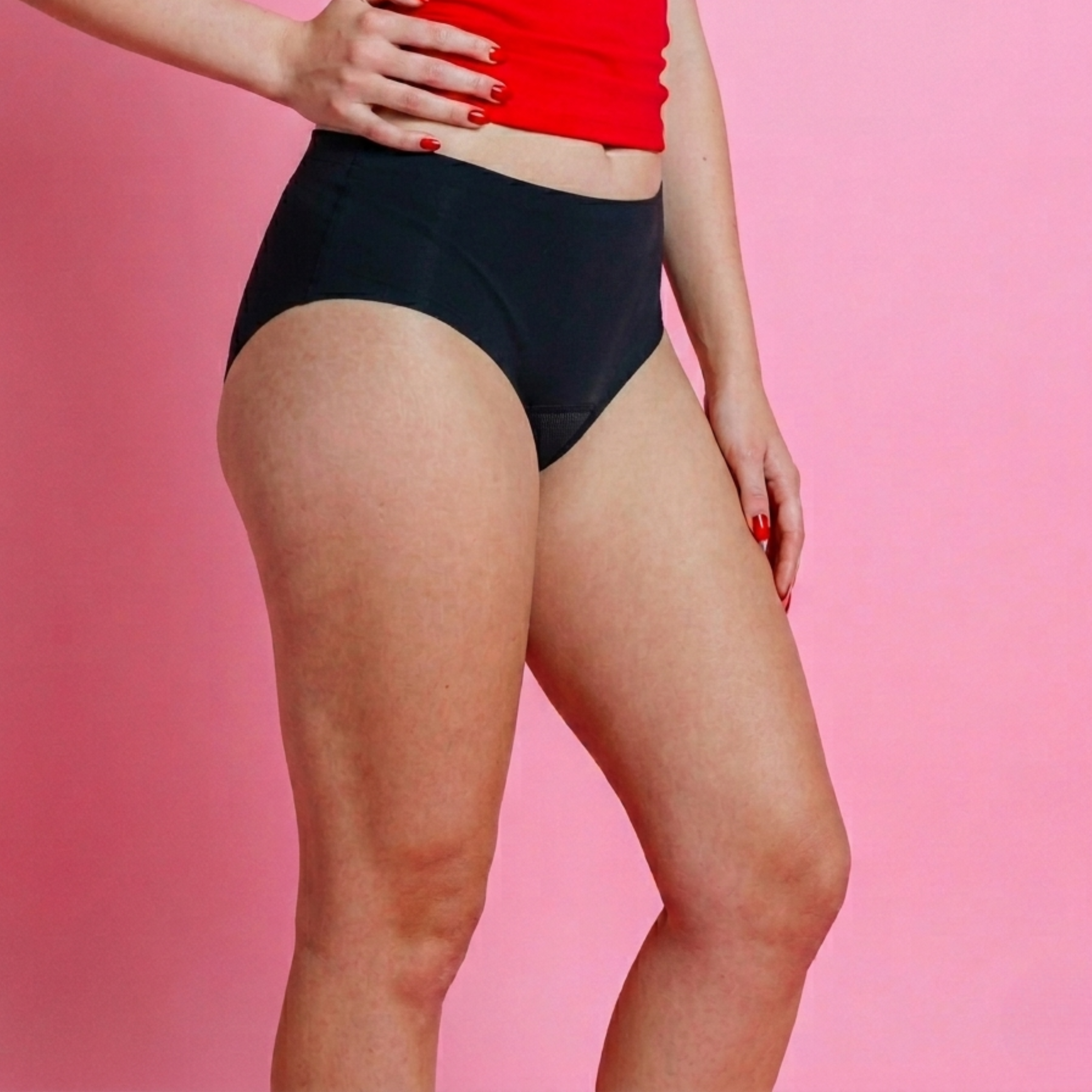
Hello Period reusable period underwear designed for teens, which provides all-day protection without needing to change at school
-
Hello Period reusable period pads which have dome fastenings to ensure they stay securely in place, are super absorbent yet thin and discrete.
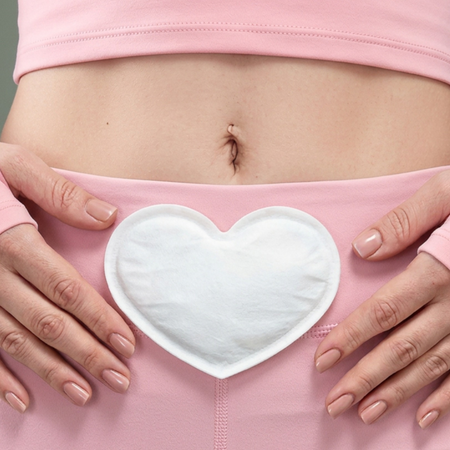
Rest, hydration and warmth (like a hot water bottle or heat patch) can also help with cramps and fatigue.
Phase 2: The Follicular Phase (After Your Period)
The follicular phase also begins on the first day of your period, but it mostly happens behind the scenes at first and becomes more noticeable after bleeding stops.
During this phase:
-
Hormone levels start rising
-
The body prepares an egg
-
Energy often increases
How You Might Feel
Many people feel:
-
More motivated
-
Clear-headed
-
Social
-
Creative
This can be a good time for schoolwork, sports or trying new things.
For teens, this phase may feel subtle or inconsistent at first that’s completely normal while hormones are still settling.
Phase 3: Ovulation (The Middle of the Cycle)
Ovulation is when the body releases an egg. This usually happens about halfway through a cycle, but ovulation is often irregular in teens, especially in the first few years after a first period.
Because ovulation may not happen every cycle at first, teen periods are often unpredictable.
Ovulation is also the time when pregnancy can occur if someone is sexually active and not using any form of contraception.
Signs Ovulation Might Be Happening
Some people notice:
-
Clear, stretchy discharge
-
Mild one-sided cramps
-
A boost in confidence or energy
Many people notice nothing at all and that’s normal too.
Phase 4: The Luteal Phase (Before Your Period)
The luteal phase happens after ovulation and lasts until the next period begins.
During this phase:
-
Hormone levels change again
-
The body prepares for a possible period
-
Energy may dip
How You Might Feel
Some people experience:
-
Lower energy
-
Mood changes
-
Sensitivity
-
Bloating
-
Difficulty concentrating
These changes are real and hormone-driven so being aware you are in your luteal phase can often help you to know to go easy on yourself.

Why Teen Cycles Are Often Irregular
One of the most important things for teens to know is this: Irregular cycles in the early years are completely normal.
After a first period, it can take 1 - 3 years (sometimes longer) for the brain and ovaries to communicate consistently. Until ovulation becomes regular, cycles can vary in length and timing.
This can look like:
-
Skipped months
-
Periods closer together or further apart
-
Changing flow levels
This doesn’t usually mean something is wrong — it means the body is learning.
How the Menstrual Cycle Affects Emotions
Hormones influence brain chemistry, which means emotional changes throughout the cycle are real and physical - defo not imagined.
Teens may notice feeling confident one week then sensitive or overwhelmed another
Understanding the cycle helps teens recognise these changes and respond with self-care instead of self-criticism.
Tracking Your Menstrual Cycle
Tracking a cycle doesn’t need to be detailed or stressful.
Simple tracking might include:
-
Noting the first day of bleeding
-
Cycle length
-
Paying attention to patterns in mood or energy
Tracking is about awareness, not control. There are heaps of apps you can use or simply keep a note of things in your phone.
Choosing Period Products That Support the Whole Cycle
Because periods and cycles can change from month to month especially during puberty, you want to make sure you have period products you can trust and that do what they say they are going to do!
As teens learn more about their cycle, they may find that different phases call for different products. Many use period underwear or pads during bleeding days, while others later choose to try menstrual cups or discs once they feel ready for internal options. For swimming during a period, Hello Period’s period swimwear offers a reusable alternative that allows teens to stay active without using disposable products or skipping activities.
Reusable Period Underwear
Hello Period reusable period underwear, sometimes called period panties or period pants, is designed for teens and is so comfortable, it can be worn throughout the cycle, not just on period days.
Many also teens wear them for:
-
Light spotting
-
Discharge
-
Peace of mind
They look and feel like normal underwear and don’t require constant attention during busy school days.
Reusable Period Pads
Hello Period reusable period pads are also a great option. The domes help keep pads in place and absorbent, leakproof core will give teens confidence they won’t leak.
Menstrual Cup
Hello Period’s small menstrual cup, also known as a period cup, is the perfect starter menstrual cup for teens who want to try using internal period care. Unlike tampons, they don’t dry the user out. Made from medical grade TPE (thermoplastic elastomer), they are folded and then inserted into the body. The outside is smooth and easy to insert. It opens once inside and collects the period blood. Menstrual cups have high capacity and can be worn all day and when swimming so are a great option for school and water sports. 
Why PFAS-Free Products Matter
Some disposable period products have been found to contain PFAS, sometimes called “forever chemicals.” These chemicals are slow to break down and can accumulate in the body and environment.
Hello Period does not add harmful PFAS to their reusable period products. This makes them a reassuring choice for young people whose bodies are still developing.
Hello Period is also an award-winning, trusted brand, known for combining education, comfort, and safety in period care.
When to Ask for Help
While variation is normal, it’s important to know when to reach out for support.
Talking to a healthcare professional can be helpful if:
-
Periods are extremely painful
-
Bleeding is heavy or goes for longer than 8 days
-
Periods suddenly stop after being regular
-
The cycle causes ongoing distress or anxiety
Most questions have simple answers but asking them is encouraged as it will stop unnecessary worry or anxiety.
Reassurance for Parents and Caregivers
For adults supporting teens, understanding the menstrual cycle helps create supportive conversations.
Useful conversation topics include:
-
Normalising irregular cycles
-
Avoiding comparison with others
-
Providing safe, reliable products
-
Encouraging rest and self-awareness
Confidence grows when teens feel trusted and informed.
Understanding the Cycle Builds Confidence
The menstrual cycle isn’t something teens need to “manage perfectly.” It’s something to learn about gradually.
Understanding how the cycle works helps young people:
-
Feel less confused by body changes
-
Recognise that emotions are valid
-
Respond to their needs with care
With accurate information, supportive adults and reliable products, teens can navigate their menstrual cycle feeling empowered rather than overwhelmed.