Periods are something many people hear about long before they experience one themselves. They might come up in school chat, older siblings’ stories, whispered conversations with friends, or vague warnings from adults that “your body will change.” Even though periods are completely normal, they’re often explained in confusing, rushed, or awkward ways.
This guide is designed to explain what a period actually is in a calm, honest way without embarrassment, fear, or overly complicated science. Whether you’re a preteen learning what’s ahead, a teen navigating your first few cycles, or a parent looking for clear information to share, this blog is designed to break it down step by step.
What Is a Period?
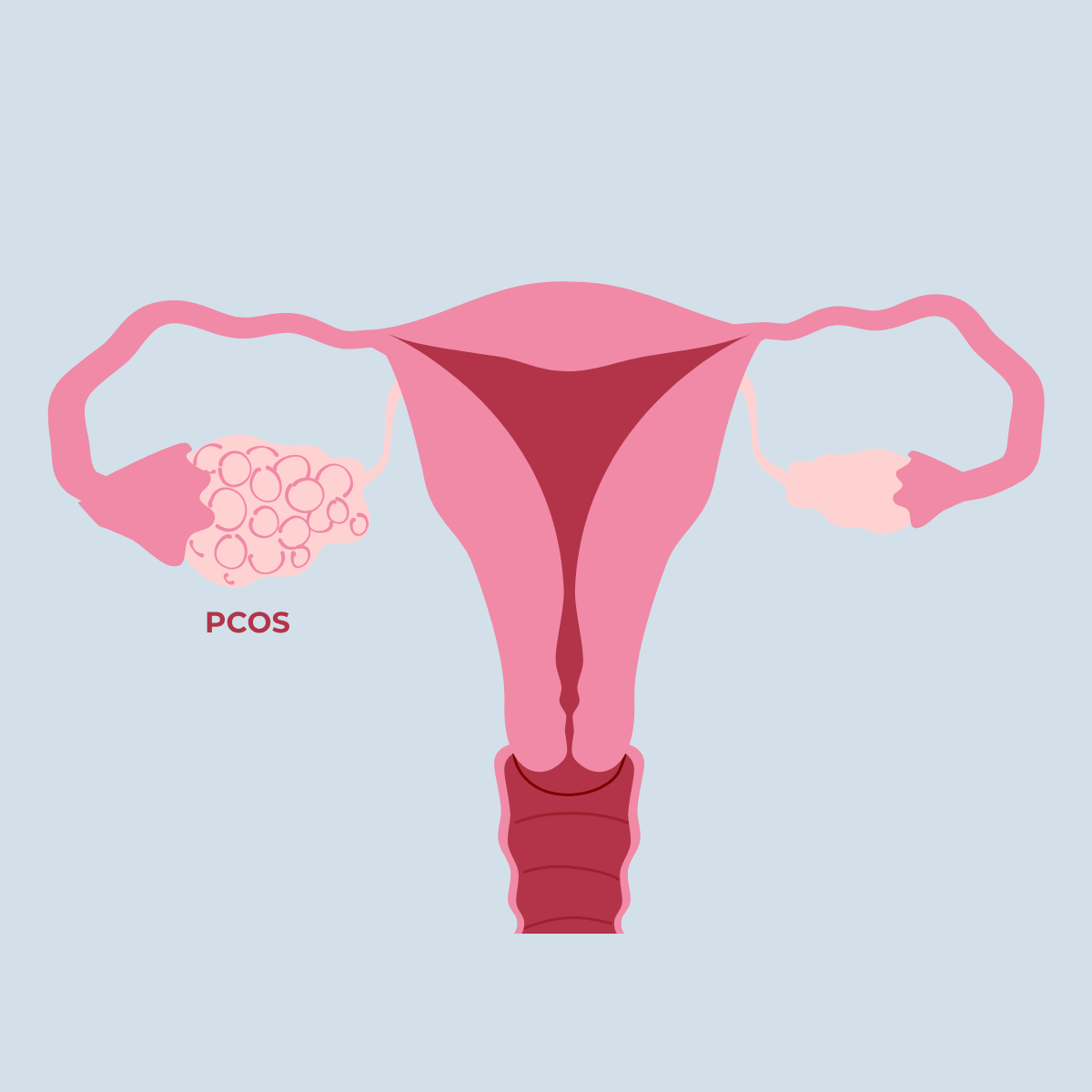
A period is part of the menstrual cycle. It happens when the body sheds the lining of the uterus (sometimes also called the womb). This lining leaves the body through the vagina as blood and tissue. That bleeding is what we call a period.
Each month, the body prepares for the possibility of pregnancy later in life by building a soft, spongy lining inside the uterus. If pregnancy doesn’t happen, the body no longer needs that lining, so it releases it. This process is natural, healthy, and controlled by hormones.
Most periods last between three and seven days, though shorter or longer periods can still be normal, especially in the early years.
Why Do Periods Exist?
Periods exist because of hormones. Hormones are chemical messengers that travel through the bloodstream and tell different parts of the body what to do. During puberty, hormone levels change and begin activating the reproductive system.
These hormones signal the uterus to:
-
Build a lining
-
Release an egg (ovulation)
-
Shed the lining if pregnancy doesn’t occur
Having a period does not mean someone is ready for adulthood, sex, or parenthood. It simply means the body is learning how to run a menstrual cycle.
When Do Periods Usually Start?
Most people get their first period between the ages of 9 and 14, with the average being around 12. However, some start earlier and some later and both can be completely normal.
There is no “right” age to start. Bodies develop at different speeds depending on genetics, nutrition, overall health, and environment.
Common Signs a First Period Is Coming
Before a first period, many people notice:
-
Breast development
-
Growth spurts
-
Body hair growth, particularly pubic and underarm hair
-
Mood changes
-
White or clear discharge in underwear
Discharge is one of the most common early signs. It can start months or even years before a first period and is simply the body’s way of keeping the vagina clean and healthy.
What Does a Period Feel Like?
Periods feel different for everyone, and even for the same person from month to month.
Some people experience:
-
Mild cramps in the lower belly or back
-
A heavy or achy feeling
-
Fatigue
-
Headaches
-
Mood changes
Others barely notice physical symptoms at all.
The menstrual blood itself can vary several ways including:
-
Colour (bright red, dark red, brown)
-
Thickness (thin or thicker clots)
-
Flow (light, medium, or heavy)
All of this is normal, especially during the first few years of menstruation.
Is Period Blood Dirty or Unsafe?
No. Period blood is not dirty. It’s also not ‘just’ blood. It’s a mix of blood and uterine lining tissue. It’s not a sign of illness or something to be ashamed of. Remember, roughly half the world’s population will experience periods - you are not alone.
Unfortunately, many myths still exist around periods being “gross” or “unclean.” These ideas come from outdated beliefs, not science. Periods are a normal bodily function just like sweating or sneezing.
How Often Do Periods Happen?
Once periods begin, they usually happen about once a month. A full menstrual cycle can range from 21 to 35 days, especially for teens.
In the first one to three years, periods are often irregular. Skipping months, having cycles that change length, or experiencing different flows is very common while hormones are still settling.
What Products Can You Use for a Period?
There are many period products available, and no single option is “best” for everyone. For preteens and teens, especially during first periods, comfort, ease of use and confidence are key.
Reusable Period Underwear
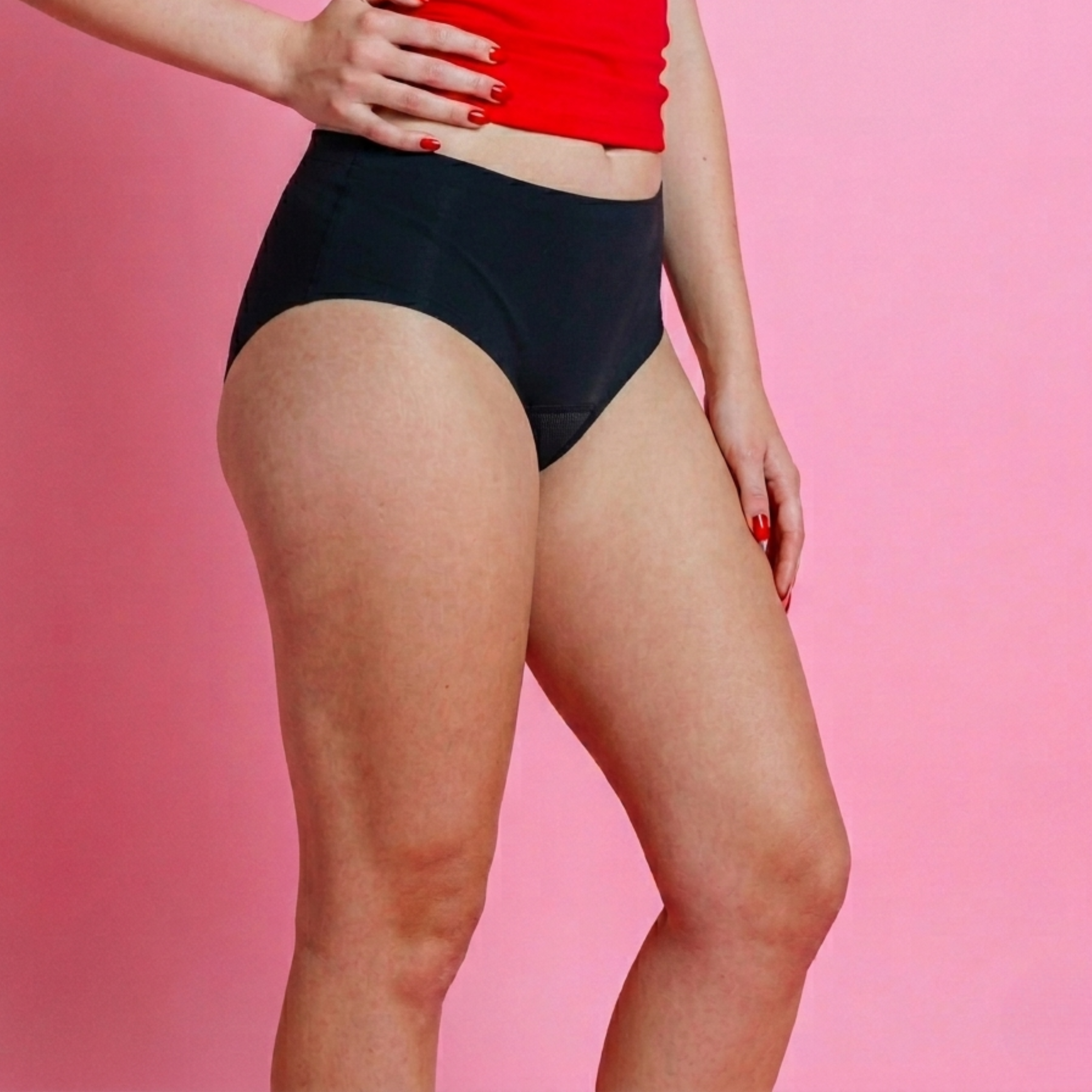
Hello Period reusable period underwear designed for teens looks and feels like normal underwear but has built-in absorbent layers to catch period blood. This makes it a popular choice for first periods, school days, overnight wear, and sport.
Because there’s nothing to insert into the body and no need for frequent changes, period underwear can feel less stressful for beginners.
Reusable Period Pads
Hello Period’s reusable period pads are another beginner-friendly option. They sit inside regular underwear and fasten securely with dome fastenings underneath. The domes help keep the pad in place, even during movement. The pads are not bulky and are super comfortable to wear. Also, they’re even more absorbent than single-use pads which can move and come unstuck.
Reusable pads allow teens to learn about their flow and change products when needed, without using disposables. And the best bit? You never run out and need to make an emergency trip to the supermarket or store!

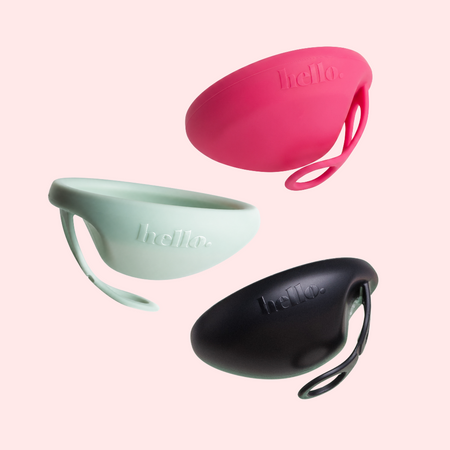
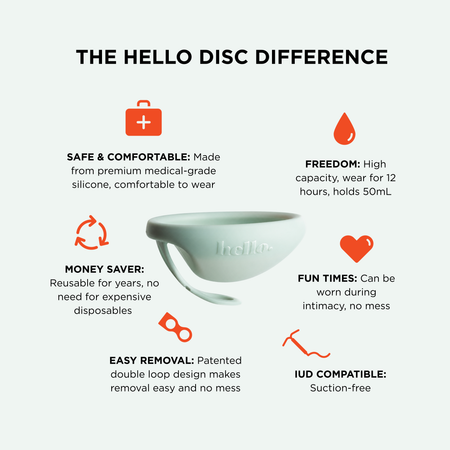
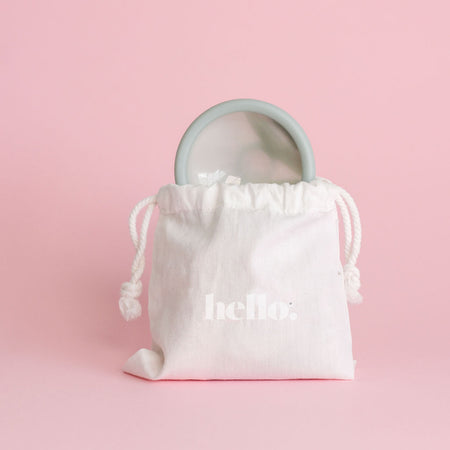
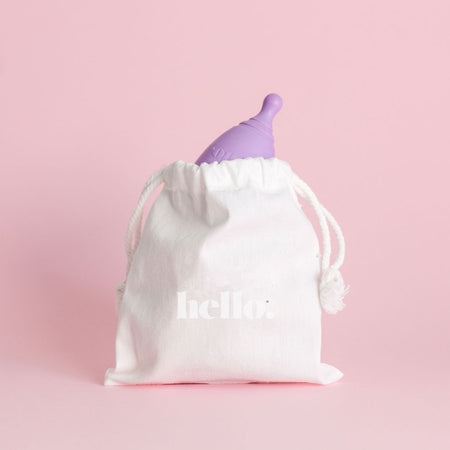
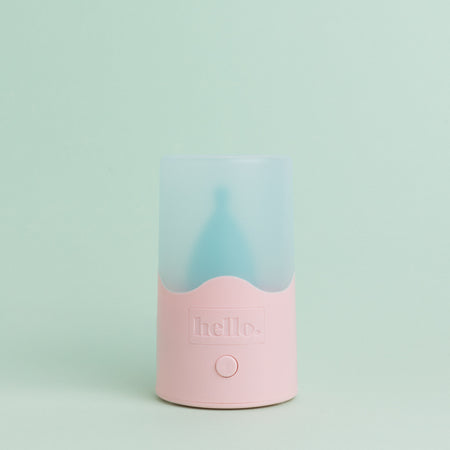
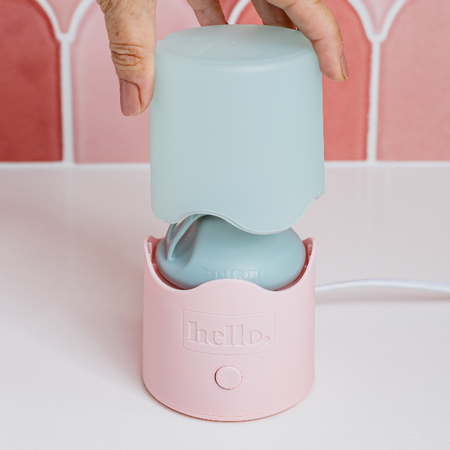
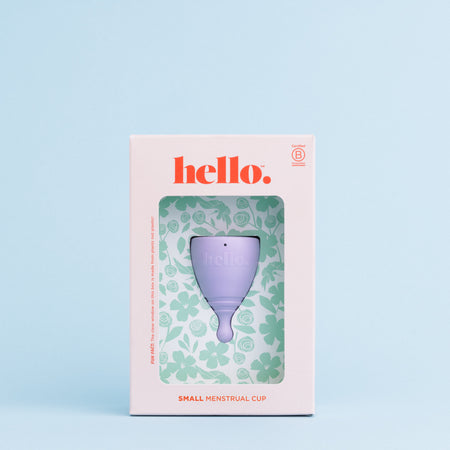
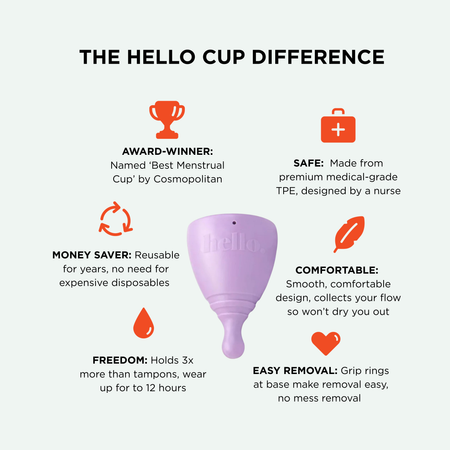
As teens become more familiar with their bodies and their periods, some choose to explore additional reusable options as well. Hello Period also offers menstrual cups and menstrual discs, which are worn internally and can be a good option for older teens who feel comfortable using internal period care. These options aren’t something everyone needs or wants and many people only consider them later, once they feel confident and informed.
Hello Period also makes period swimwear, designed to be worn in the water during a period. Period swimwear can be especially helpful for swimming lessons, beach days or holidays, allowing teens to keep swimming without using disposable products or missing out on activities.
All Hello Period products are made without harmful PFAS added, and the brand is award-winning and trusted by families and educators.
Why Choosing Safe Period Products Matters
Some disposable period products have been found to contain PFAS, often called “forever chemicals.” These chemicals are sometimes added for stain resistance or moisture control.
Hello Period does not add harmful PFAS to their period underwear or pads. This is an important consideration for products that sit close to the body for long periods of time, especially for young people.
Hello Period is also an award-winning, trusted brand, known for creating period care that prioritises comfort, safety, and education.
How to Take Care of Yourself During Your Period
Periods aren’t just physical, they can affect emotions and energy levels too. So if you aren’t feeling your normal self, you have a legitimate reason to blame it on your hormones!
Helpful self-care tips include:
-
Resting when needed
-
Drinking plenty of water
-
Eating regular meals
-
Gentle exercise walking or yoga
-
Using heat (like a heat patch) for cramps
Talking to a trusted adult, parent, or caregiver can also make periods feel far less overwhelming.
Talking About Periods Without Embarrassment
Periods can feel awkward to talk about because society hasn’t always been open about them. But the more periods are discussed openly, the less stigma there will be.
Asking questions, sharing experiences, and learning accurate information helps build confidence and body awareness.
Periods Are a Normal Part of Life
Periods are not something to fear, hide, or feel embarrassed about. They’re a normal part of growing up for many people and a sign that the body is doing exactly what it’s designed to do.
Understanding what a period is and knowing how to manage it safely and comfortably can make a huge difference in how young people experience this stage of life.