When Do Periods Start? What’s Normal for Preteens and Teens
One of the most common questions preteens and teens have about puberty is also one of the hardest to answer clearly: ‘When will my period start?’
Some of your friends might already have theirs. Someone in class might be talking about cramps or pads. You might feel like you’re early, late, or somehow behind. The truth is, periods don’t follow a single timeline and the age range for when people get their first period can vary hugely.
This guide explains when periods usually start, why timing varies so much, what signs to look for, and how to feel prepared and confident no matter where you are on your journey.
The Average Age for a First Period
Most people get their first period between the ages of 9 and 14, with the average being around 12 years old. That said, averages don’t define what’s healthy for an individual.
Some people start as early as 8 or 9. Others don’t start until 14 or 15. Both can fall within a normal range, especially if other signs of puberty are happening.
However, that said it’s worth having a chat to your doctor if:
-
There are no signs of puberty by around age 13
-
A period hasn’t started by age 15 - 16, especially if other pubertal changes have occurred
It doesn’t automatically mean something is wrong, it is just always a good idea to check in with a healthcare professional for guidance and advice, especially if you are feeling anxious.
Why There’s No “Right” Age to Start
Bodies develop at different speeds for many reasons. Some of the biggest factors that affect when periods start include:
-
Genetics
Family history matters. If a parent or older sibling started their period early or late, that can often influence timing of yours too.
-
Overall Health and Nutrition
The body needs enough energy and nutrients to support puberty. Growth, hormones, and menstruation all require fuel.
-
Activity Levels
Highly active bodies, especially those doing intense sports, sometimes start menstruating later. This doesn’t mean sport is bad; it simply affects how the body prioritises energy.
-
Stress and Environment
Big changes, emotional stress, or illness can also influence hormone patterns during puberty. Comparing timelines with friends rarely gives an accurate picture of what’s normal for you.
Signs Your First Period Is Coming
Periods don’t usually arrive without warning. The body often gives signs months or even years in advance.
Common Signs Include:
Breast development
This is often one of the first visible signs of puberty and usually begins one to three years before a first period.
Growth spurts
Rapid increases in height can happen in the lead-up to menstruation.
Body hair growth
Hair may begin growing under the arms or pubic area.
Discharge in underwear
White or clear discharge is very common and is one of the clearest signs that the body is preparing for menstruation. Discharge is the vagina’s natural way of keeping itself clean and healthy.
Mood changes
Hormones can affect emotions, causing irritability, sensitivity, or sudden mood swings.
Seeing one or more of these signs usually means a first period is on the way but “on the way” can still mean months or even a year or two.
What If Your Friends Have Started and You Haven’t?
This is one of the hardest parts of puberty. It’s easy to feel left out, embarrassed or worried if others around you have started menstruating and you haven’t.
It’s important to remember:
-
Bodies are not meant to develop in sync
-
Early starters aren’t “ahead” and late starters aren’t “behind”
Puberty is not a competition. Starting later often simply means your body is taking its time, which is completely okay.
What If You Start Earlier Than Others?
Starting early can also feel uncomfortable. You might feel different from friends, unsure how to manage periods at school, or unprepared emotionally.
If this is the case, support and preparation are key. Using simple, reliable period products and having trusted adults to talk to can make a big difference in confidence.
What Does a First Period Usually Look Like?
First periods are often a bit different to the ones that arrive later. They often last for only a couple of days and are light and spotty - you might wonder if it is even a period at all. The blood is also commonly brown or dark red rather than the bright red you might be expecting.
It’s also very normal for first periods to be irregular. Some people have one period and then don’t have another for a few months. This doesn’t usually mean anything is wrong, it just means hormones are still learning how to coordinate a regular cycle.
Irregular Periods in the Early Years
During the first one to three years after a first period, cycles are often unpredictable.
You might notice:
-
Skipped months
-
Periods closer together or further apart
-
Changes in flow from month to month
This happens because the body is still learning how to ovulate regularly. Over time, cycles usually become more predictable.
When to Talk to a Doctor or Health Professional
While variation is normal, there are times when it’s helpful to check in with a healthcare provider.
This might be a good idea if:
-
Periods haven’t started by age 15 or 16
-
Periods are extremely heavy (needing to change protection every 1–2 hours)
-
Pain is severe and interferes with daily life
-
Periods suddenly stop after being regular
Most of the time, reassurance is all that’s needed but asking questions is always a good idea so you don’t feel anxious.
Being Prepared Before Your First Period Starts
One of the best ways to reduce anxiety around periods is to be prepared before the first one arrives.
Preparation doesn’t mean expecting it tomorrow. It simply means knowing what to do when it happens and could include:
-
Wearing Period Underwear Ahead of Time
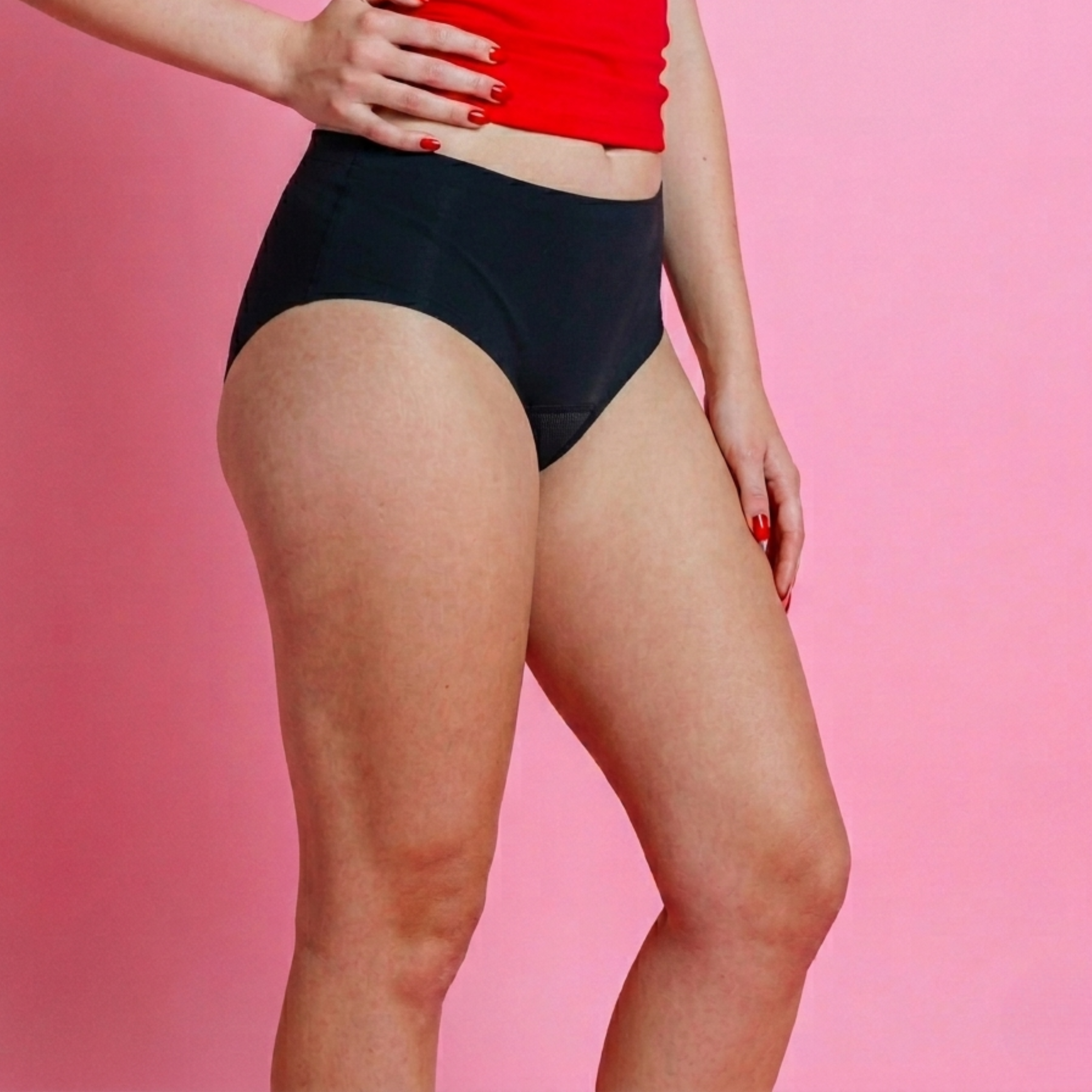
Some preteens choose to wear Hello Period reusable period underwear designed for teens even before their first period starts, especially if they’re noticing discharge.
Period underwear looks and feels like regular underwear but has built-in absorbency, which can help catch discharge and provide peace of mind in case a first period arrives unexpectedly at school or during sport.
-
Keeping Pads or Period Underwear in a Bag
Carrying Hello Period reusable period pads or period panties in a school bag or backpack is another easy way to feel prepared. The pads use dome fastenings to keep them securely in place and are super absorbent, making them suitable for a range of flows. Hello Period have wet bags that can be used for storage or if you need to change your pad during the day.
Knowing you have options available can significantly reduce stress around the unknown.
Why Reusable Products Can Be Especially Helpful for Teens
Reusable period products are often well-suited to young people because they’re:
-
Simple to use
-
Comfortable for long wear
-
Often more absorbent than single use pads
-
Very cost-effective over time
-
Environmentally conscious
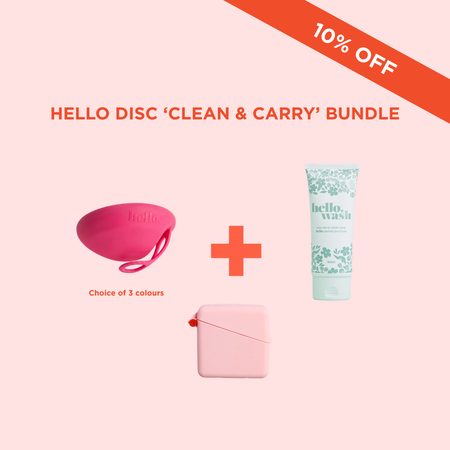
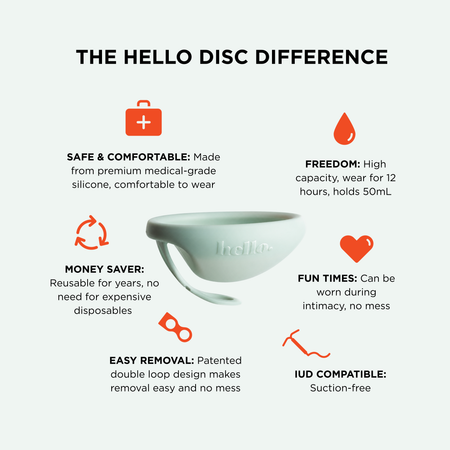
Preparation doesn’t mean using every product available, it simply means knowing your options. Many preteens start with period underwear or reusable pads, then later decide what works best for them. Hello Period also offers menstrual cups and discs for those who feel ready to try internal options, as well as period swimwear for days when swimming is involved. Knowing there are different choices can make periods feel less intimidating.
Importantly, Hello Period is an award-winning, trusted brand, and their reusable period underwear and pads are made without harmful PFAS added. PFAS are sometimes found in disposable period products and are known as “forever chemicals” because they don’t easily break down in the body or environment.
Choosing products without intentionally added PFAS can offer reassurance, especially for products worn close to the body.
Talking to Parents or Caregivers About Periods
Starting the conversation can feel awkward, but it’s one of the most helpful things a young person can do.
If talking feels hard, it can help to:
-
Ask a simple question (“When did you start your period?”)
-
Share an article like this one
-
Write a note or message instead of talking face-to-face
Don’t forget, many parents and caregivers were once new to periods too!
Reassurance for Parents and Caregivers
If you’re a parent reading this, it’s worth knowing that curiosity, anxiety, and comparison are all normal parts of puberty.
Providing accurate information, normalising differences, and offering safe, reliable products helps young people feel supported rather than rushed or worried.
The Big Picture: Timing Isn’t a Measure of Health or Worth
When a period starts does not define maturity, strength, or readiness. It’s simply one milestone in a long process of growth.
Some bodies move quickly. Others take their time. Both are doing exactly what they need to do.
Understanding that there’s a wide range of “normal” helps young people move through puberty with less fear and far more confidence.