Period Cramps: What Causes Them and What Actually Helps?
What causes period cramps and what are the best remedies for relieving them? We're spilling the tea on all things menstrual pain, so keep reading.
Period cramps have terrible timing. They can arrive before your period has properly started, interrupt sleep, make concentrating difficult or turn an otherwise manageable day into one spent curled up on the sofa.
For some people, period pain is a mild monthly inconvenience. For others, it can be intense enough to interfere with school, work, exercise and everyday life. While cramps are common, severe pain should never be dismissed as something you simply have to put up with.
Understanding what causes period cramps can make it easier to find relief — and recognise when your symptoms deserve further investigation. From heat therapy and gentle movement to pain medication and medical treatment, there are several ways to manage menstrual cramps.
Here is what is happening inside your body, what may help and when it is worth talking to a healthcare professional.
What are period cramps?
Period cramps are pains that occur shortly before or during menstruation. The medical term for painful periods is dysmenorrhoea, sometimes spelled dysmenorrhea.
The pain is usually felt in the lower abdomen, although it may also spread into the lower back, hips or thighs. It can feel like:
-
A dull, heavy ache
-
Tightness or pressure
-
Throbbing
-
Sharp spasms
-
Waves of pain that come and go
Some people experience cramps for only a few hours. Others have pain for several days. Menstrual cramps may also arrive alongside nausea, diarrhoea, headaches, tiredness or dizziness. (ACOG)
Period pain commonly begins just before bleeding starts or within the first day of a period. It often becomes less intense after the first two or three days.
What causes period cramps?
Every menstrual cycle, the lining of the uterus — also called the endometrium — thickens in preparation for a possible pregnancy. If pregnancy does not occur, the body sheds this lining as a period. (MedlinePlus)
To help release the lining, the muscular wall of the uterus contracts. These contractions temporarily compress nearby blood vessels, which can reduce the supply of oxygen to the uterine tissue and contribute to pain.
The contractions are driven partly by hormone-like substances called prostaglandins. Prostaglandins are involved in inflammation and cause the muscles of the uterus to tighten. Higher levels of prostaglandins are associated with stronger contractions and more intense menstrual cramps. (ACOG)
Prostaglandin levels are generally highest near the beginning of a period. This helps explain why cramps are often most uncomfortable during the first day or two of bleeding and then begin to settle.
Primary and secondary period pain
Period pain is generally divided into two categories: primary dysmenorrhoea and secondary dysmenorrhoea.
Primary dysmenorrhoea
Primary dysmenorrhoea is menstrual pain that is not caused by another medical condition. It is the most common form of period pain and is linked to the natural release of prostaglandins and contractions of the uterus.
It often begins during adolescence, although the severity can change over time. Some people find their cramps become less intense as they get older, while others continue to experience significant pain.
Secondary dysmenorrhoea
Secondary dysmenorrhoea is period pain caused by an underlying health condition. It may develop later in life, become progressively worse or occur at times other than the first few days of a period.
Conditions associated with secondary period pain include:
-
Endometriosis
-
Adenomyosis
-
Uterine fibroids
-
Pelvic inflammatory disease
-
Ovarian cysts
-
Certain problems involving an intrauterine device or other pelvic structures
Hello Period co-founder Robyn has written about her experience of endometriosis. Endometriosis occurs when tissue similar to the lining of the uterus grows elsewhere in the body. Adenomyosis occurs when tissue from the uterine lining grows into the muscular wall of the uterus. Fibroids are non-cancerous growths that develop in or around the uterus. Each of these conditions can contribute to painful or heavy periods. (nhs.uk)
Pain caused by an underlying condition may not respond as well to standard home remedies. Identifying and treating the cause is therefore an important part of managing the pain.
Are painful periods normal?
Some aching or cramping during a period is common, but that does not mean every level of pain should be treated as normal.
Pain deserves medical attention when it:
-
Prevents you from attending work, school or social activities
-
Regularly wakes you during the night
-
Causes vomiting, fainting or severe dizziness
-
Becomes noticeably worse over time
-
Occurs between periods
-
Happens during or after sex
-
Is accompanied by unusually heavy bleeding
-
Does not improve with appropriate pain relief
-
Begins for the first time after years of relatively comfortable periods
You know your own baseline. A significant change in your usual symptoms is worth discussing with a doctor or other qualified healthcare professional.
How to relieve period cramps
There is no single remedy that works perfectly for everyone. Often, the most effective approach combines two or more strategies.
1. Apply heat
Heat is one of the simplest and most accessible remedies for period cramps.
Applying warmth to the lower abdomen or back may help relax tense muscles and reduce the sensation of pain. The NHS recommends options such as a warm bath, shower, heat pad or wrapped hot water bottle for managing period pain. (nhs.uk)
Research also supports heat as a useful treatment for primary dysmenorrhoea. A recent systematic review found that heat therapy was likely to reduce pain compared with no treatment. The review also found that heat may provide pain relief comparable to non-steroidal anti-inflammatory medicines in some circumstances, although individual results vary and further high-quality research remains valuable. (PubMed)
The main challenge with traditional heat remedies is convenience. A hot water bottle is lovely at home, but less practical while commuting, working or trying to carry on with a normal day.
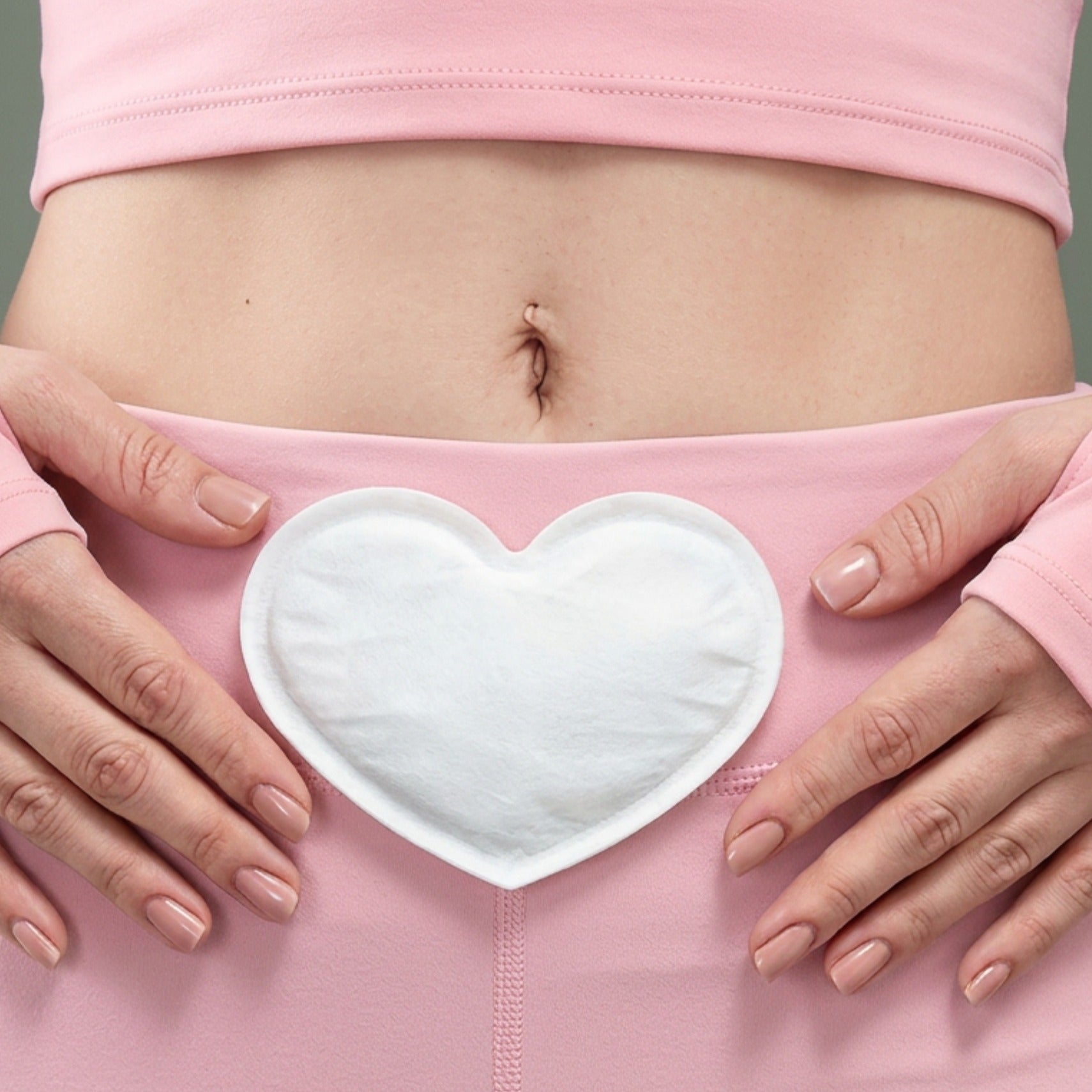
This is where an air-activated heat patch can be helpful. Hello Hottie heat patches are designed to provide steady, portable warmth without cords, charging, microwaving or boiling water. Each patch activates when exposed to air and can deliver up to 10 hours of gentle heat.
Simply open the packet, remove the backing and attach the patch to the outside of your underwear or clothing near the painful area. It should not be placed directly onto your skin. Its slim shape makes it easy to wear discreetly under clothing, whether you are at work, at school, travelling or resting at home.
Heat will not treat an underlying condition such as endometriosis, but it can be a comforting and practical part of a wider pain-management plan.
2. Consider anti-inflammatory pain relief
Non-steroidal anti-inflammatory drugs, or NSAIDs, include medicines such as ibuprofen and naproxen. They can relieve period pain by reducing the production of prostaglandins, addressing one of the main drivers of uterine contractions.
These medicines may work best when taken as cramps begin — or, for people with a predictable cycle, shortly before the expected start of pain. ACOG notes that pain relievers may be particularly effective when started one or two days before a period and continued through the first few days of bleeding. (ACOG)
NSAIDs are not suitable for everyone. People with certain stomach, kidney, heart or liver conditions, some forms of asthma, medication interactions or allergies may need to avoid them. Follow the instructions on the packet and ask a pharmacist or doctor when you are unsure.
Paracetamol may also be used for period pain, although it works differently from an anti-inflammatory medicine. Avoid taking more than the recommended dose or combining products that contain the same active ingredient.
3. Try gentle movement
Exercise may be the last thing you feel like doing when your uterus appears to be staging a protest, but gentle movement can help some people.
Walking, swimming, cycling, stretching and yoga are commonly recommended options. Movement may help by increasing circulation, reducing muscle tension and supporting the release of endorphins — chemicals produced by the body that influence pain perception and mood.
You do not need to complete a hard workout. Ten minutes of stretching or a slow walk may feel more manageable than a full exercise session. The aim is to notice whether movement helps your body, not to push through severe pain. The NHS includes gentle exercise among its self-care recommendations for period pain. (nhs.uk)
4. Massage the lower abdomen or back
Gentle massage can help relax the muscles around your abdomen, hips and lower back. Try using slow circular movements across the lower stomach or applying comfortable pressure to the back.
Massage can also be combined with heat. For example, you might massage the area before applying a heat patch, taking care to follow all product instructions and avoid using oils or creams where they could affect adhesion.
Stop if massage increases your pain, particularly when the area is unusually tender.
5. Take a warm bath or shower
A warm bath or shower can provide both physical and emotional relief. Warmth may ease muscle tension, while the opportunity to slow down can help reduce the stress that often accompanies pain.
A bath will not make prostaglandins disappear, but it may help you feel more comfortable while cramps pass. It can also be useful before bed if pain is making it difficult to settle.
6. Prioritise rest and sleep
Pain can be exhausting, and poor sleep can make discomfort feel even harder to manage. During the first days of your period, giving yourself permission to rest may be genuinely useful rather than indulgent.
Try supporting your body with pillows, lying on your side with your knees slightly bent or placing a pillow beneath your knees while lying on your back. A warm shower, low lighting and reduced screen use before bed may also help you wind down.
Portable heat patches can be useful during evening routines, but always follow the product’s directions and do not use heat in a way that prevents you from noticing excessive warmth or skin irritation.
7. Eat regularly and stay hydrated
There is no single food that reliably cures menstrual cramps. However, eating regular, balanced meals can help support energy levels, particularly if pain or nausea has reduced your appetite.
Drinking enough water is also sensible, especially if your period is accompanied by diarrhoea or vomiting. Warm drinks may feel soothing, but be cautious about strong claims surrounding particular teas, herbs or supplements. Evidence is mixed, products can interact with medications and “natural” does not automatically mean risk-free.
Seek advice from a doctor or pharmacist before starting a supplement, especially if you are pregnant, take regular medication or have an existing health condition.
8. Track your symptoms
Keeping a record of your cycle can help you identify patterns and prepare for cramps before they begin.
Record:
-
When pain starts and stops
-
Where you feel it
-
Its severity
-
How heavily you are bleeding
-
Other symptoms, such as nausea or pain during sex
-
Which treatments you use
-
Whether those treatments help
-
Any activities you miss because of the pain
This information can be useful when speaking with a healthcare provider. It may also help you notice whether your symptoms are changing over time.
Medical treatments for painful periods
When home remedies are not enough, a healthcare professional can discuss other treatments.
Hormonal contraception — including certain pills, implants, injections and hormonal intrauterine devices — may reduce period pain by thinning the uterine lining, suppressing ovulation or reducing menstrual bleeding. ACOG lists hormonal treatment as one of the established options for managing dysmenorrhoea. (ACOG)
The most appropriate choice depends on your medical history, preferences, symptoms and whether you also want contraception.
When period pain is caused by endometriosis, adenomyosis, fibroids, an infection or another condition, treatment should be tailored to that diagnosis. Options may include medication, hormonal treatment, antibiotics or, in selected cases, surgery. (nhs.uk)
You should not have to repeatedly organise your life around debilitating pain without receiving proper investigation and support.
When to seek urgent medical help
Seek urgent medical advice when pelvic or abdominal pain is sudden, unusually severe or accompanied by symptoms such as:
-
Fainting or feeling close to fainting
-
A high temperature
-
Persistent vomiting
-
Severe weakness
-
Very heavy or uncontrolled bleeding
-
Unusual or unpleasant-smelling discharge
-
Pain when you may be pregnant
-
Severe pain that is different from your usual cramps
Sudden pelvic pain is not always caused by menstruation. Conditions including infection, ovarian torsion, a ruptured cyst or ectopic pregnancy can require urgent treatment.
The bottom line on period cramps
Period cramps are usually caused by prostaglandins triggering contractions of the uterus as it sheds its lining. Mild to moderate cramping is common, but severe, worsening or disruptive pain should not be brushed off as “just part of having a period”.
Heat, anti-inflammatory medication, gentle movement, massage, rest and symptom tracking can all play a role in managing discomfort. For portable heat while you get on with your day, an air-activated option such as a Hello Hottie can provide long-lasting warmth without the need for a microwave, power point or hot water bottle.
Most importantly, listen to your body. Pain that consistently stops you from living normally deserves care, investigation and a treatment plan that goes beyond simply being told to tolerate it.
References
-
American College of Obstetricians and Gynecologists. Painful Periods. (ACOG)
-
NHS. Period Pain. (nhs.uk)
-
Mayo Clinic. Menstrual Cramps: Symptoms and Causes. (Mayo Clinic)
-
MedlinePlus, U.S. National Library of Medicine. Menstruation. (MedlinePlus)
-
Yuan D, et al. Heat Therapy for Primary Dysmenorrhea: A Systematic Review and Meta-Analysis. (PubMed)
-
Mayo Clinic. Endometriosis: Symptoms and Causes. (Mayo Clinic)
-
Mayo Clinic. Menstrual Cramps: Diagnosis and Treatment. (Mayo Clinic)