Your first period is one of those moments people talk about like it’s supposed to be dramatic or life-changing. In reality, it can feel underwhelming, confusing, uncomfortable, emotional - or all of the above. There is no single “right” way to experience a first period. You might feel excited or happy or you might feel the opposite and that’s a-okay!
This guide walks through what usually happens before, during, and after your first period so you know what’s normal, what might surprise you, and how to feel prepared and supported when it happens.
Before Your First Period: What Your Body Is Doing
Long before your first period arrives, your body starts going through changes controlled by hormones. These changes are part of puberty and usually happen gradually over several years.
Common Signs Your First Period Is On Its Way
Discharge
One of the clearest signs that your body is preparing for menstruation is discharge. This is usually white or clear and may show up in your underwear. Discharge can start months or even years before your first period and is completely normal. It helps keep the vagina clean and healthy.
Breast development
One Breasts usually begin developing one to three years before your first period. They may feel tender or sore at times as they grow.
Growth spurts
Many people grow quickly in the year or two leading up to their first period.
Body hair
Hair may begin growing under the arms or around the pubic area.
Emotional changes
Hormones can affect mood and you might feel more sensitive, irritable or emotional than usual.
Seeing these signs doesn’t mean your period will start tomorrow but they do indicate puberty has started.
What Your First Period Might Look Like
First periods are often very different from the periods people experience later on.
Flow and Colour
Your first period is likely to be:
-
Light or spotty
-
Brown, dark red, or pink rather than bright red
-
Short (sometimes just two or three days)
Some people only notice a small amount of blood when wiping or a few marks in their underwear.
Irregular Timing
It’s extremely common for first periods to be irregular. You might have one period and then not have another for a few months. This doesn’t mean something is wrong, it just means your hormones are still learning how to regulate a cycle.
What Does a First Period Feel Like?
Everyone experiences periods differently. Some people feel noticeable physical sensations while others feel very little.
Common Sensations Include:
-
Mild cramps in the lower belly or back
-
A heavy or full feeling in the pelvis
-
Tiredness
-
Headaches
-
Bloating
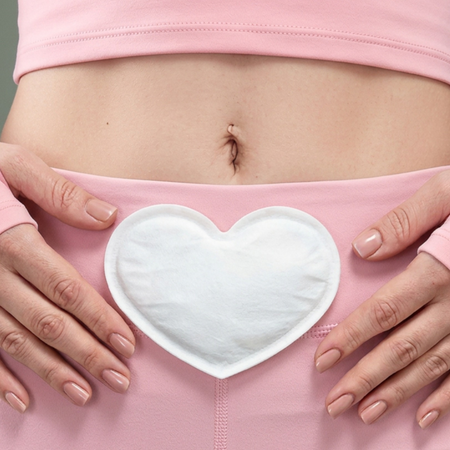
Cramping happens because the uterus contracts to help shed its lining. Mild cramps are common and can be helped with heat or over the counter pain relief.
Severe pain that interferes with daily life is not something you should have to push through, and we’d always recommend talking to a trusted adult or healthcare provider if pain feels overwhelming or is having an impact on your daily life.
Emotional Changes During a First Period
Hormones don’t just affect the body, they affect emotions too!
You might notice:
-
Feeling more sensitive or tearful
-
Irritability or frustration
-
Feeling overwhelmed for no clear reason
These feelings are real and valid. They don’t mean you’re “overreacting.” Learning to recognise emotional changes can help you take extra care of yourself during this time.
What Period Products Are Best for a First Period?
For many preteens and teens, simplicity, reliability and comfort matter most. It’s important you feel confident and trust your period care - especially when everything feels new.
Reusable Period Underwear
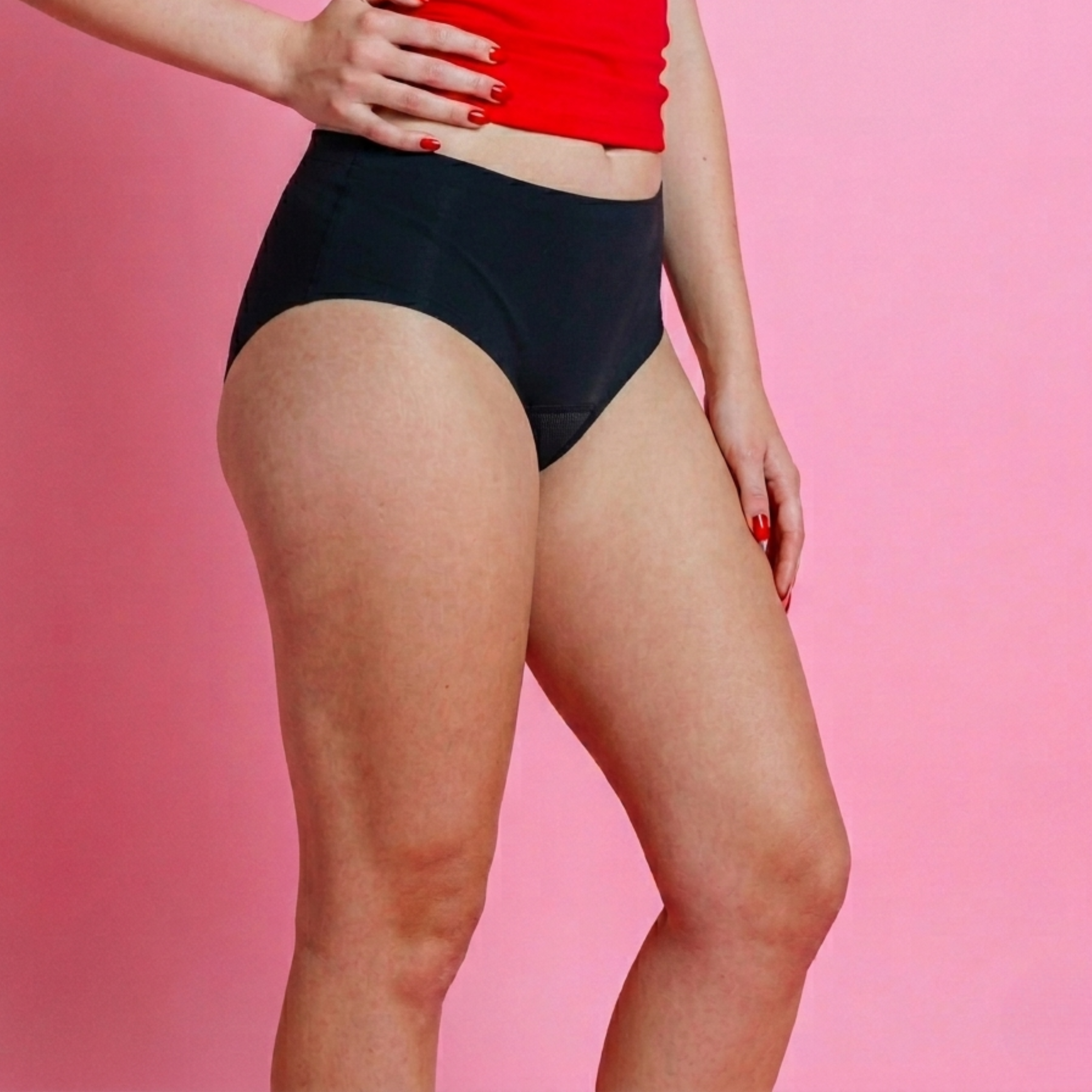
Hello Period reusable period underwear designed for teens is a popular choice for first periods because it looks and feels like normal underwear but has built-in absorbency.
Benefits include:
-
No need to insert anything into the body
-
Comfortable for long wear at school or overnight
-
Less stress about leaks
-
Easy to manage during busy days
For many young people, period underwear helps reduce anxiety around changing products or worrying about accidents.
Reusable Period Pads
Hello Period reusable period pads are another beginner-friendly option. They sit inside regular underwear and fasten securely underneath using dome fastenings. The domes help keep the pad in place during movement, while the absorbent layers provide strong protection.
Reusable pads are helpful for learning:
-
How heavy your flow is
-
When you prefer to change protection
-
How your body feels during different days of your period
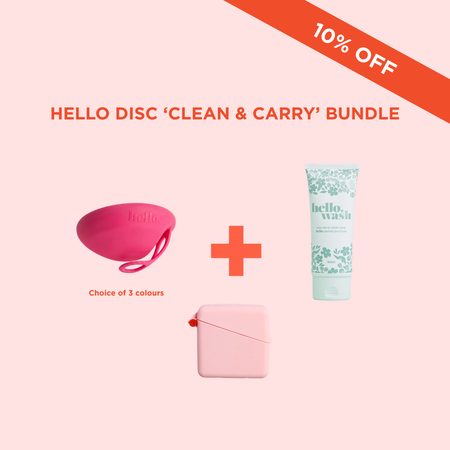
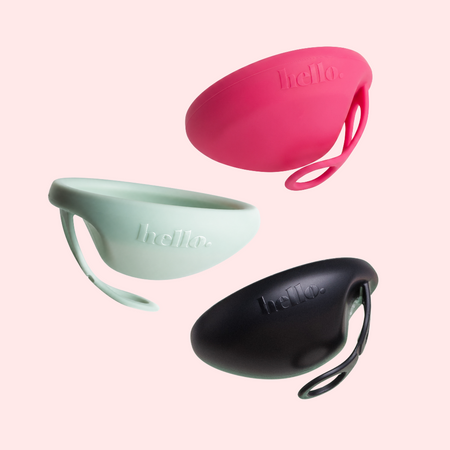
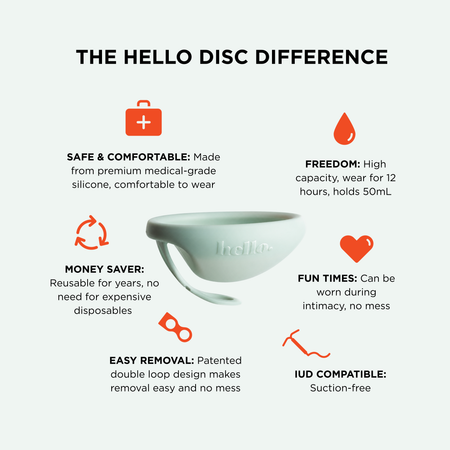
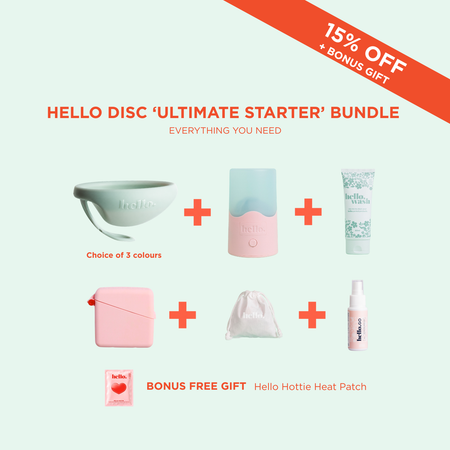
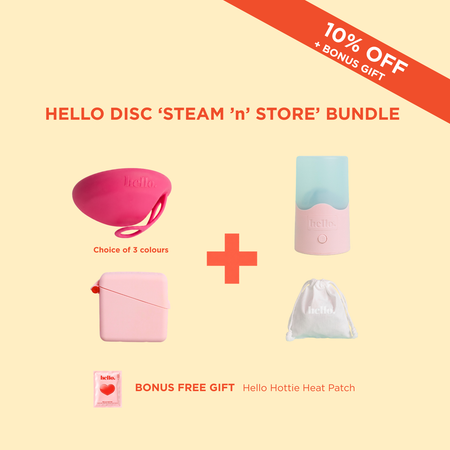
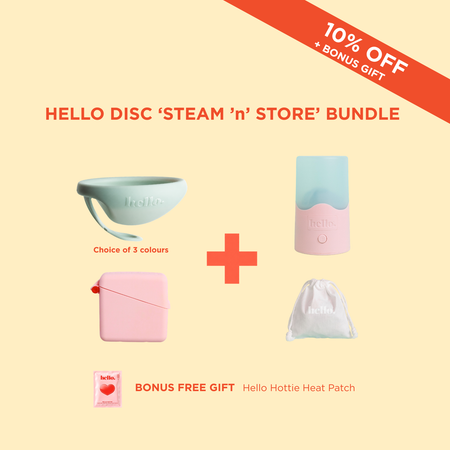
While many teens begin with external products like period underwear or reusable pads, it’s also helpful to know that other options exist for later on. Hello Period makes menstrual cups and menstrual discs, which are internal products some older teens choose once they feel comfortable with their bodies. For swimming, Hello Period’s period swimwear provides another option, so having a period doesn’t automatically mean sitting out of water activities.

Why Product Safety Matters
Period products are worn close to the body for many hours at a time, which makes material choice important.
Some disposable period products have been found to contain PFAS, sometimes referred to as “forever chemicals.” These chemicals don’t easily break down in the body or environment and are often added for stain resistance or moisture control.
Hello Period does not add harmful PFAS to their reusable period underwear or pads. For teens and parents, this can offer peace of mind when choosing products for long-term use.
Hello Period is also an award-winning, trusted brand, known for prioritising comfort, safety, and education alongside sustainability.
Managing Your First Period at School
One of the biggest worries around first periods is what happens if it starts at school.
Helpful School Tips
-
Wearing period underwear can provide all-day protection without needing to change
-
Keeping a reusable pad in your bag can help you feel prepared
-
Knowing where the bathroom is and who you can talk to helps reduce stress
-
Remembering that teachers and school staff are used to helping with period-related needs
Periods starting at school can feel embarrassing but it’s incredibly common and support is always available - don’t be embarrassed to tell a teacher you trust.
Taking Care of Your Body During Your Period
Periods are a good time to slow down and listen to your body.
Helpful self-care strategies include:
-
Resting when you feel tired
-
Drinking water regularly
-
Eating balanced meals
-
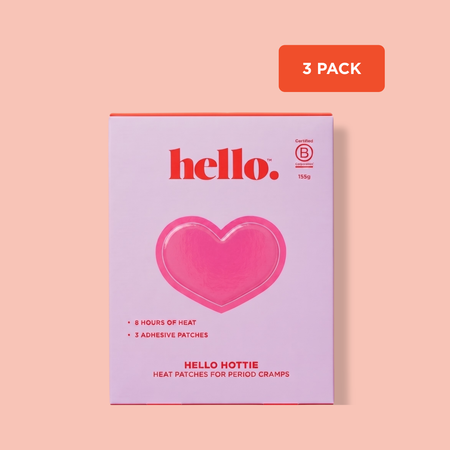
Using a warm heat patch or hot water bottle for cramps
-
Gentle exercise t like yoga or walking
There’s no need to “push through” discomfort if your body is asking for rest.
After Your First Period: What Happens Next?
After your first period, it’s normal to wonder when the next one will come. In the early years, cycles are often unpredictable.
You might experience:
-
Several months without a period
-
Periods that change in length or flow
-
Gradual settling into a more regular pattern over time
Tracking periods (even roughly) can help you start noticing patterns, but there’s no pressure to be exact. There are plenty of online apps - or just make a note of when your cycle starts and finishes in a calendar.
When to Ask for Help or Support
While most first periods are straightforward it’s important to know when to reach out for help.
Talking to a trusted adult or healthcare provider is a good idea if:
-
Bleeding is extremely heavy
-
Pain is severe or unmanageable
-
Periods are causing distress or anxiety
-
You have questions or worries you can’t shake
Asking for help is a sign of self-awareness not weakness.
Reassurance for Parents and Caregivers
If you’re supporting a young person through their first period, reassurance goes a long way.
Helpful support includes:
-
Normalising differences in timing and experience
-
Providing safe, comfortable period products
-
Encouraging open conversations without pressure
-
Letting them take the lead in how much they want to share
A calm, informed response helps young people feel safe and supported.
Your First Period Is a Beginning, Not a Test
There’s no right way to handle a first period. There’s no prize for being brave, quiet, or unaffected. It’s okay to feel unsure, emotional, or even indifferent. What matters most is having accurate information, supportive people and reliable products so you can move through this stage with confidence.
Your body is learning something new and that takes time. You’ve got this!