Talking about periods can feel awkward even with people you trust. You might worry about saying the wrong thing, being embarrassed or not know how to even start the conversation. Some preteens and teens also worry that adults will overreact, make a big deal out of it or brush their feelings aside.
If any of that sounds familiar, you’re not alone. Many young people feel unsure about how to talk to a parent or trusted adult about periods, especially when everything is new.
This guide is here to help. It explains why these conversations matter, why they can feel hard and give you some ways to start the conversations.
Why Talking About Periods Is Important
Periods are a normal part of growing up but they’re also something that can affect:
-
Comfort
-
Health
-
Emotions
-
Confidence
-
Daily life
Having at least one trusted adult who knows what’s going on makes periods much easier to manage. That adult can help with:
-
Getting period products
-
Understanding what’s normal
-
Managing pain or worries
-
Knowing when to get medical advice
You don’t have to talk about everything but you shouldn’t have to handle periods completely alone either.
Why Talking About Period Can Feel So Hard
Even though periods are normal, they’re often treated like a secret. Many people grow up hearing whispers, jokes or silence instead of open conversations.
Some common reasons talking feels hard can include:
-
Feeling embarrassed or shy
-
Not knowing the right words
-
Worrying about being judged
-
Fear of making things “awkward”
-
Thinking adults will dismiss concerns
None of these feelings mean you’re doing something wrong. They just mean you’re navigating something new and that’s okay. Just remember half the world will experience what it’s like to have a period and you are not alone in this.
Who Counts as a “Trusted Adult”?
A trusted adult doesn’t have to be a parent it just needs to be someone who:
-
Listens without judgement
-
Takes your feelings seriously
-
Can help you find answers or support
This could be:
-
A parent or caregiver
-
An older sibling
-
A grandparent
-
A school nurse
-
A teacher
-
A coach
-
A healthcare provider
You get to choose who feels safest to talk to and explain to them that you are trusting them with your feelings and questions.
Simple Ways to Start the Conversation
If you’re not sure how to begin, here are some realistic, low-pressure ways to get a conversation going:
-
“I Have a Question About Periods”
This simple sentence is often enough. You don’t need to explain more right away the conversation can unfold naturally.
This is a clear and honest way to let an adult know something is happening and you might need support.
-
“Can We Talk About Period Stuff Later?”
Asking for a specific time can make the conversation feel less overwhelming and gives both of you time to prepare.
-
Sharing an Article or Resource
Sometimes it’s easier to show than tell. Sharing an article like this blog can help explain what you’re thinking or worrying about without having to say everything out loud.

Talking About Specific Needs
You might want to talk about different things at different times.
Sometimes adults get caught up in their own lives and so it's important you feel confident to tell them what you need. Here are some examples:
-
Asking for Period Products
You could say:
-
“I think I need period underwear or pads.”
-
“Can we get some period products for school?”
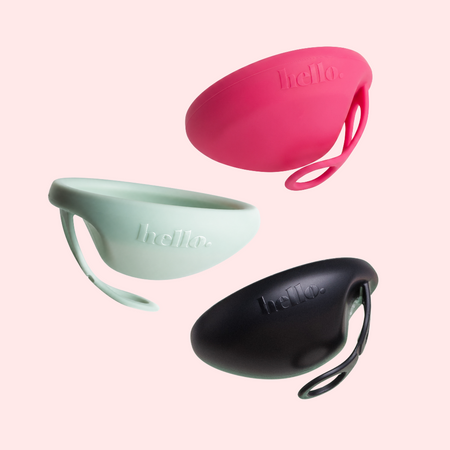
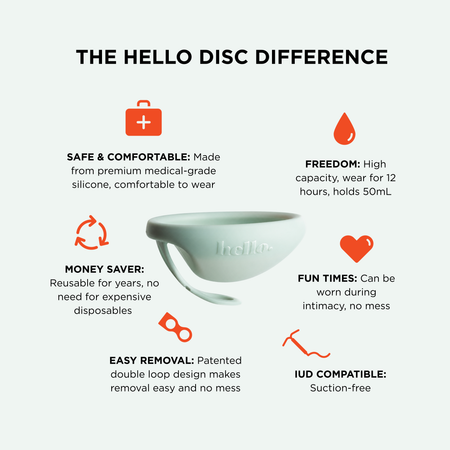
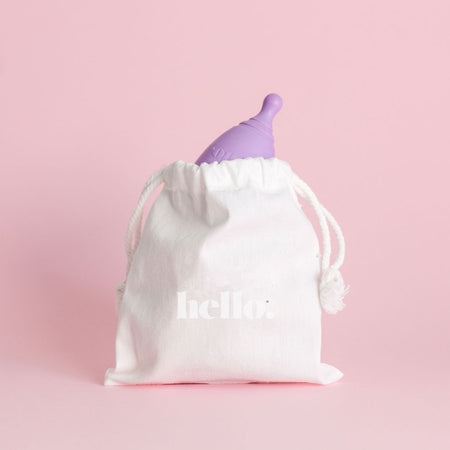
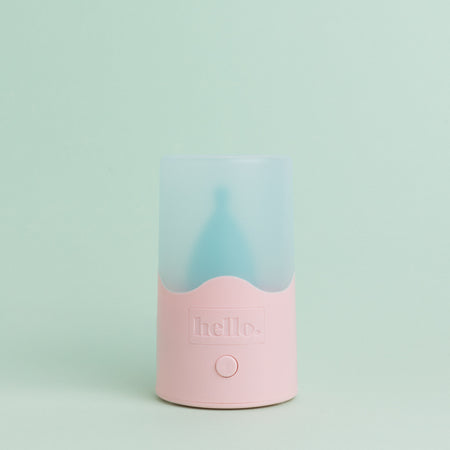
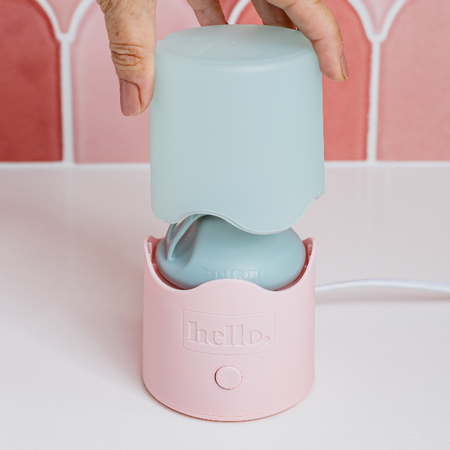
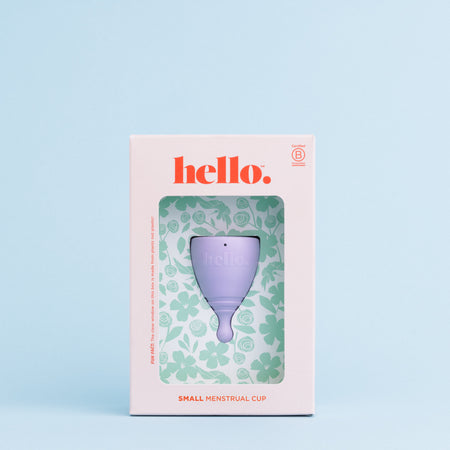
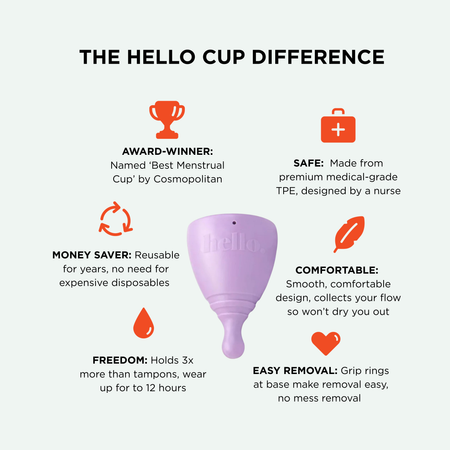
When talking to a parent or caregiver, it can help to know there are different reusable options available. Hello Period offers reusable period underwear, reusable pads with dome fastening, menstrual cups, menstrual discs and period swimwear. Not all options are right for everyone, and many teens start with external products before considering internal ones. Having this conversation together allows you to choose what feels most comfortable and appropriate at each stage.
-
Talking About Pain or Discomfort
If you’re experiencing cramps or pain, you should make your parent or caregiver aware so they can help. You might say:
-
“My period hurts more than I expected.”
-
“I’m having cramps and don’t know if that’s normal.”
Pain is not something you have to ignore or push through.
-
Talking About Worries or Emotions
Periods can affect emotions too and it’s important not to bottle up your feelings. A couple of ways to mention it could be:
-
“I feel really emotional before my period.”
-
“I feel anxious about leaks at school.”
Your feelings matter even if you don’t fully understand them yet. You’ve got this!
When The Conversation Feels Awkward
Awkwardness doesn’t mean the conversation is bad it just means it’s new.
If things feel uncomfortable:
-
Take a pause
-
Change the subject and return later
-
Remember that adults were once new to periods too
Often, adults feel awkward as well even if they don’t show it. Sometimes they might need a bit of time to work out how they can best help you.
What If the Adult Reacts in a Way You Didn’t Expect?
Sometimes adults get overly worried, make jokes, change the subject or minimise your concerns. This can be frustrating and disappointing and so it might be that you try again later or maybe try talking to a different trusted person. Also, don’t be afraid to stand up for yourself and say something like “I just need help, not jokes” because even adults need to be told off sometimes!
When Talking to an Adult Is Especially Important
It’s a good idea to talk to a trusted adult if:
-
Bleeding is very heavy or very long
-
Periods are causing anxiety or distress
-
Something feels wrong, even if you can’t explain why
Trusting your instincts is important.
Why Product Quality and Performance Should Be Part of the Conversation
Parents and caregivers often care deeply about product safety and it’s important that you know what is in the products you use, how to use them correctly and if the brand is reputable.
Hello Period is an award-winning, trusted brand and their reusable period care range was first launched in 2017 by two mothers wanting to create better period care products for their daughters than the ones they had when they were growing up. Knowing that period products are designed with safety in mind can reassure both teens and adults.
Reassurance for Parents and Caregivers
If you’re an adult reading this, it’s worth remembering that teens don’t always know how to start the conversation so if they haven’t raised questions, it doesn’t mean they don’t have any. If they do ask you questions, answer with empathy and kindness.
Here are some other tips:
-
Listening without interrupting
-
Normalising concerns
-
Offering options instead of instructions
-
Letting teens lead the pace
You Deserve Support
Periods are a normal part of life, but that doesn’t mean you have to manage them alone.
Having even one trusted adult who listens, believes you and helps when needed can make a huge difference in how periods feel - not just physically, but emotionally too.