Periods and Emotions: Why You Might Feel Moody, Sad or Sassy
Periods aren’t just about bleeding. For many preteens and teens one of the most noticeable (and sometimes confusing) parts of the menstrual cycle is how it affects emotions.
Feeling extra sensitive, irritable, sad, sassy or overwhelmed are emotions that you might experience over the course of your menstrual cycle.
These emotional changes are normal and driven by hormones rather than a bad case of ‘Drama Queen-itis’.
This blog explains why emotions can change around periods, what’s normal during puberty, and how to support your mental and emotional wellbeing during your cycle.
Why Periods Affect Emotions (You’re Not Going Crazy!)
The menstrual cycle is controlled by hormones, mainly oestrogen and progesterone. These hormones don’t just affect the uterus, they also influence the brain.
Hormones interact with chemicals in the brain that affect:
-
Mood
-
Stress
-
Sleep
-
Concentration
-
Energy levels
During puberty, hormone levels fluctuate more dramatically because the body is still learning how to regulate them. This makes emotional changes more noticeable for teens than for many adults.
Emotional Changes Before a Period
Many people notice emotional shifts in the days or week before their period starts. This part of the cycle is often called the luteal phase. During this time hormone levels change quickly which can affect how the brain deals with emotions.
Common Feelings Before a Period
-
Feeling more sensitive or easily upset
-
Irritability or frustration
-
Feeling low or unmotivated
-
Anxiety or worry
-
Wanting more space or quiet
These feelings don’t mean something is wrong. They’re a common response to hormonal changes especially in the teen years.
Emotional Changes During a Period
Once bleeding starts, some people feel relief - emotionally as well as physically. Others continue to feel low or tired for a few days.
This can include:
-
Fatigue
-
Low mood
-
Wanting extra rest
-
Feeling less social
Low energy during a period is normal. The body is doing a lot of work and rest is part of taking care of your body so go easy on yourself.
Why Emotions Can Feel Stronger During Puberty
During puberty hormone levels are higher and less predictable and the brain is still developing emotional regulation skills. Not only that but social pressures increase and bodies are changing and developing at a rapid pace.
All of this means emotions can feel more intense - period or not. So while periods don’t create emotions, they can amplify feelings so it’s always good to know where you are in your cycle and be mindful it could be playing a part in how you are feeling are experiencing emotions.
What is PMS?
PMS stands for ‘premenstrual syndrome’ and is often used to describe physical and emotional symptoms that happen before a period.
For teens, PMS can include:
-
Mood swings
-
Irritability
-
Sadness
-
Fatigue
-
Trouble concentrating
Not everyone experiences PMS, and symptoms can change from cycle to cycle. Having emotional symptoms before a period does not mean something is “wrong.”

What’s Normal and What’s Worth Checking
Emotional changes around periods are normal. However, it’s important to know when extra support might be helpful.
It’s a good idea to talk to a trusted adult or healthcare provider if:
-
Mood changes feel extreme or overwhelming
-
Feelings of sadness last most of the month
-
Anxiety interferes with daily life
-
There are thoughts of self-harm or hopelessness
Periods can affect emotions, but persistent mental health struggles need support and it’s important you share what you are experiencing because help is always available.
How to Support Your Emotions During Your Cycle
Here are our top tips for getting through your cycle.
1. Rest Without Guilt
Feeling tired before or during your period is normal. Resting is not being lazy, it’s listening to your body and when you are going through puberty, rest is more important than ever.
2. Eat Regularly
Blood sugar dips can worsen mood swings. Regular meals and snacks help stabilise energy and emotions.
3. Gentle Exercise or Meditation
Walking, stretching, yoga or meditation can help regulate mood without pushing the body too hard.
4. Create Comfort
Soft clothes, warmth, quiet time, or familiar routines can be grounding when emotions feel heightened.
Managing Periods at School
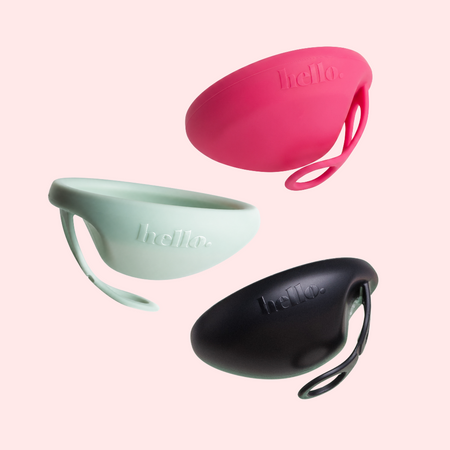
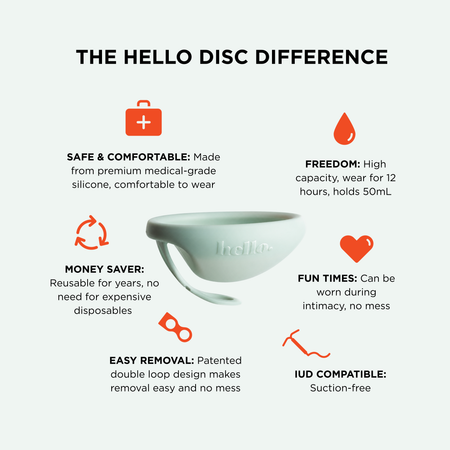
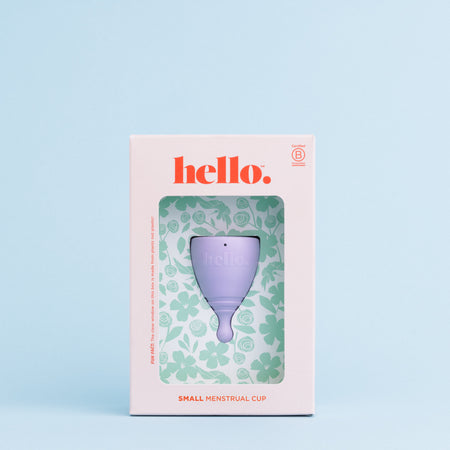
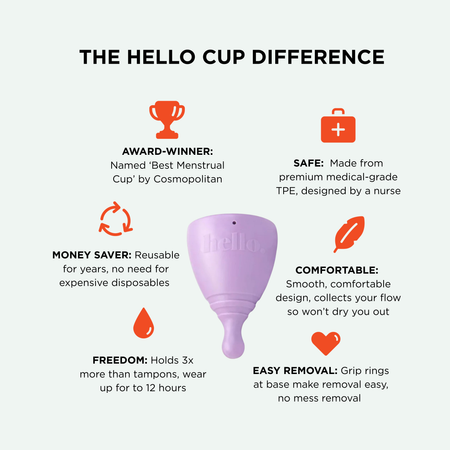
Periods don’t stop for school and periods and emotional changes can make school days feel harder. Wearing Hello Period’s leakproof, reusable range of period care which includes teen menstrual cups, period underwear and reusable pads are designed to be absorbent and comfortable and help reduce stress around leaks or needing to change products during the day. Using products you can rely on helps provide peace of mind and comfort and allows your brain to focus on learning instead of worrying.

How Period Products Can Affect Emotional Comfort
Emotional stress often increases when someone feels unprepared, uncomfortable or worried about leaks. Reliable, comfortable products can remove a lot of that background stress.
The founders of Hello Period created the brand because they wanted their teenage daughters to feel confident about navigating their periods when at school. They designed them to be high quality, leakproof, discrete and super comfy. Because Hello Period does not add harmful PFAS to their products and is an award-winning, trusted brand, many parents and teens feel reassured using them during this sensitive stage of development.
Talking About Emotions and Periods
Talking about emotional changes can feel harder than talking about bleeding but it’s just as important. If you are looking for easy ways to kick off the conversation here are our tips for ways you can approach it:
-
“I feel different before my period and I don’t know why”
-
“I get really emotional some months - is that normal?”
-
Sharing this blog and asking their opinion
Reassurance for Parents and Caregivers
If a teen seems moodier around their period, it helps to try to avoid dismissing feelings as “just hormones”. Acknowledge emotions are real and offer your support and maybe be proactive about suggesting they rest or have time to themselves to recharge. Keeping communication lines open and casual can really help to build trust and let them know they can talk to you about anything.