If you’re searching for tampon alternatives, you’re not alone. Millions of women are realizing that the so-called standard option isn’t the best option, and honestly, it never was. Bizarrely tampons have been coasting along for decades leaving a trail of dryness and leaks without anyone actually requesting for better service. But then in more recent times some genuinely alarming headlines about what’s actually inside them has finally led to many tampon wears calling time on them. The menstrual disc and period pants are the two categories exploding right now, and for good reason. Keep reading to get the tea on why women are walking away from tampons and what they’re choosing instead.
Table of Contents
The Tampon Letdown: Why Women Are Walking Away
The relationship with tampons has soured, and it’s not just one thing. It’s a slow accumulation of grievances that finally hit a tipping point. Don't call us dramatic for wanting better. We deserve better and it's sad it's taken this long for quality alternatives to start getting the spotlight.
The dryness and discomfort factor caused by tampons is something millions of women experience but rarely talk about. Tampons are designed to absorb, and they don’t discriminate between menstrual blood and your body’s natural moisture. That means every time you use one, you’re stripping away the lubrication your vagina needs to stay healthy. The result is irritation, micro-tears upon removal, and that sandpaper feeling that makes you dread insertion. There’s also the pH angle. A healthy vaginal pH sits around 4.5, but menstrual blood has a pH of 7.4. When a tampon sits inside you soaking up everything, it disrupts that acidic environment and can create conditions where bacteria thrive.
Then came the toxic metals scare. In 2024, a study out of UC Berkeley tested 30 tampon brands across 14 product lines and found measurable levels of lead, arsenic, and cadmium in every single one. Every. Single. One. Organic tampons tested positive too - something that came as a shock to many. The metals appear to come from the raw materials themselves, cotton plants - even those not treated with sprays - absorbing arsenic from soil and processing chemicals leaving traces of lead. This study made headlines. People started asking what else might be in their tampons and were shocked to learn that nobody really knows because tampon manufacturers aren’t required to disclose their full ingredient list. Many tampon wearers responded with a collective "enough”.
The TSS reality check is another driver. Toxic shock syndrome is rare, but it’s real, and tampons remain the highest-risk menstrual product by a significant margin. The risk isn’t zero with cups or discs, but it’s dramatically lower because tampons can create a warm, moist environment between the fibres for bacteria to cling on to which under normal circumstances is relatively low risk but if the tampon has dried the wearer out, the risk of micro abrasions during removal increases. Abrasions can create a pathway for bacteria to enter the bloodstream. For a lot of women, the math is simple: if there’s a safer option that works just as well, why gamble?
And then there’s the unreliability factor, which might be the most relatable of all. Tampons leak. They need changing every four to eight hours, which means you’re always doing mental math about when you last swapped one out. You’re stashing spares in every bag, panicking when your period arrives early and you’ve got nothing on hand, and waking up at 3 a.m. to deal with a situation that should not require a 3 a.m. response. Women are tired of high-maintenance period products. They want something that works with their lives, not something their lives have to work around.
The Big 4: Your Tampon Alternatives in 2026
Let’s break down the four main categories replacing tampons. This is the real talk on cost, comfort, and what these products are actually like to use, no marketing fluff.
1. Menstrual Discs (The Rising Star)
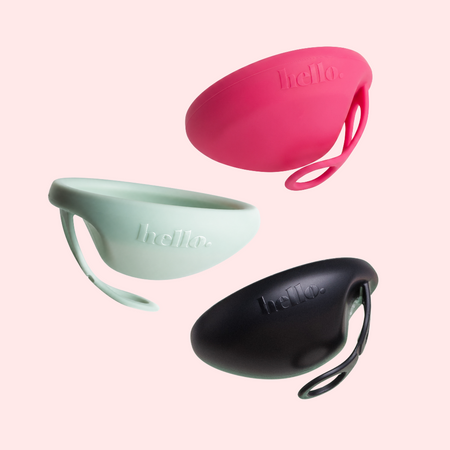
Menstrual discs are having a moment, and once you understand the mechanics, it’s easy to see why. Unlike a cup, which sits in the vaginal canal and relies on suction, a disc tucks up behind the pubic bone and sits directly below the cervix. That anatomical difference unlocks a handful of features that tampons and cups simply cannot match.
The autodump hack, while sounding a bit scary in theory, is a feature that converts skeptics into evangelists. When you sit down to pee, the muscles you engage can cause the disc to shift slightly, allowing it to partially empty its contents into the toilet without you having to remove it. You wipe, it settles back into place, and you go about your day. For heavy flow

days or long shifts where bathroom breaks are unpredictable, this is a genuine revelation. You can go a full 12 hours without touching the disc itself.
Mess-free sex is the other headline feature. Because the disc sits at the very top of the vaginal canal, it leaves the canal itself open. This is the only insertable period product that’s safe and comfortable for intercourse. No other option comes close, and for anyone who’s ever rescheduled a date night around their cycle, that matters.
Capacity is another win. A quality disc holds the equivalent of up to six regular tampons. For heavy flow days, that’s the difference between constant vigilance and actually forgetting you’re on your period for hours at a time.
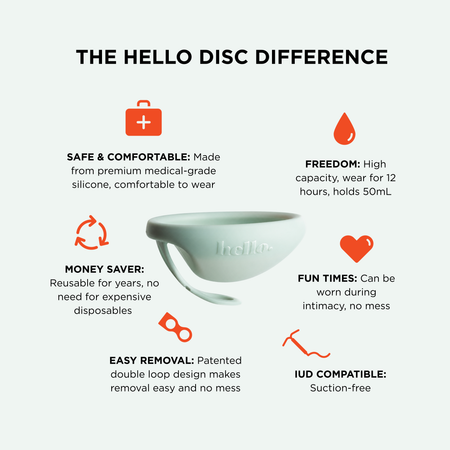
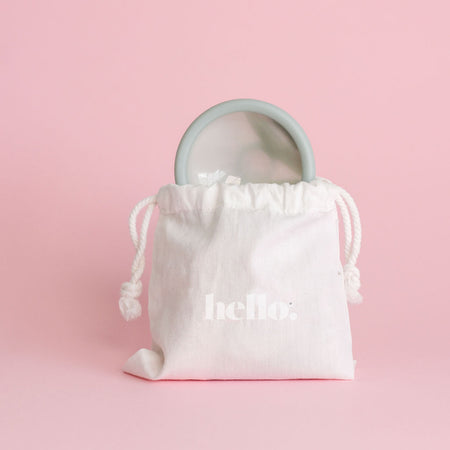
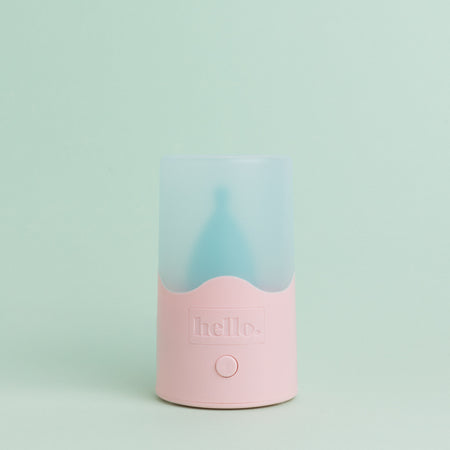
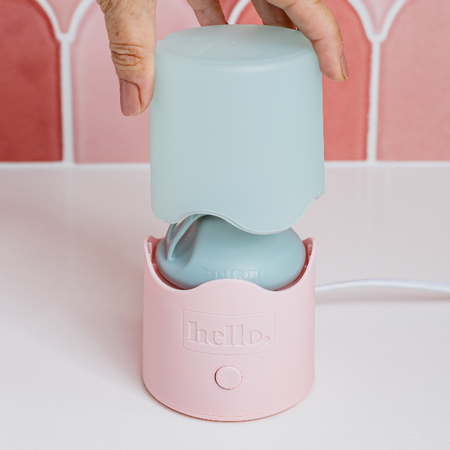
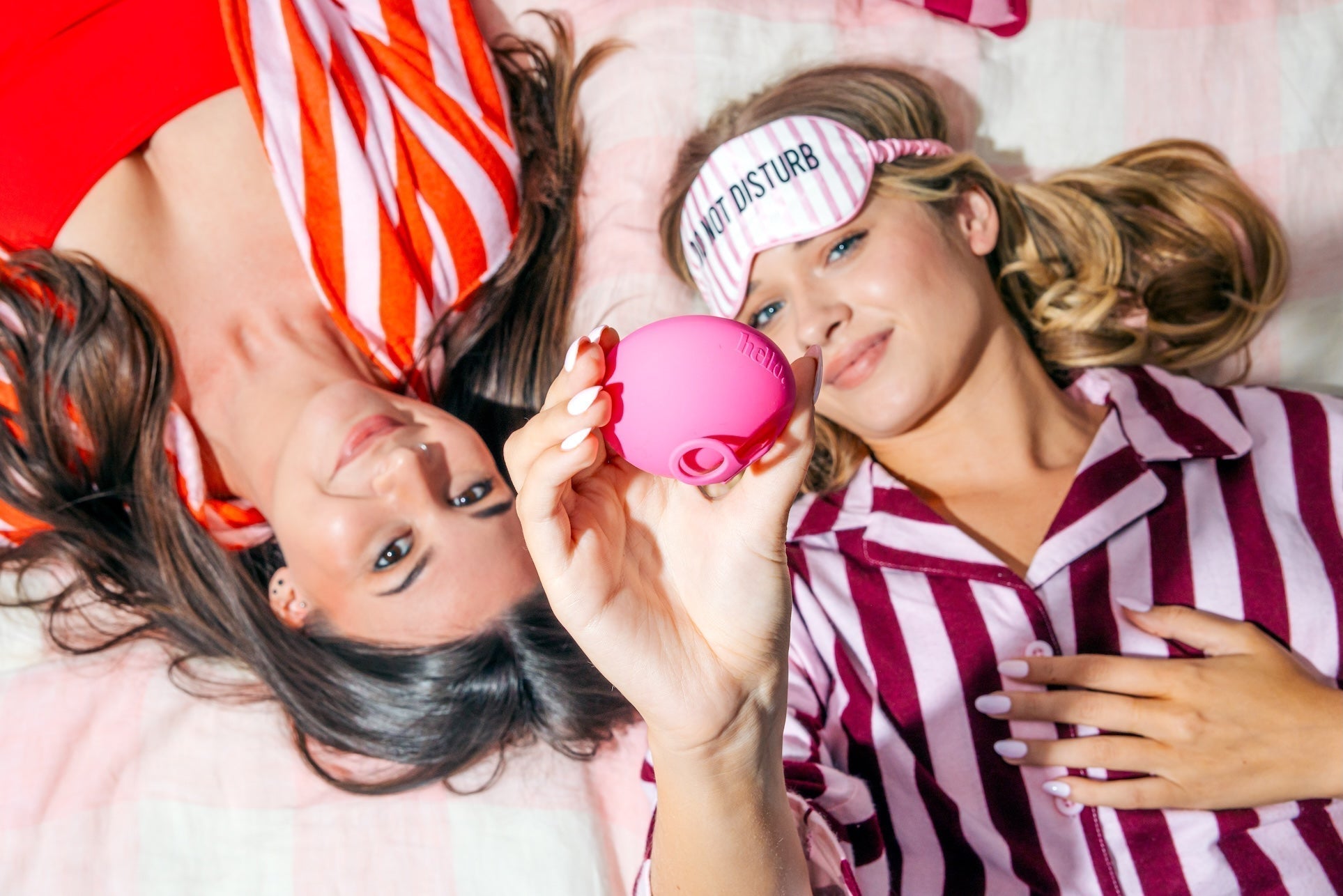
The Hello Disc is designed specifically to address the one complaint disc users sometimes voice: removal. A lot of discs require you to hook a finger behind your pubic bone and fish around. When the disc comes out, you've got no control which means mess is unavoidable. The Hello Disc has a thoughtful patented removal tab that makes the process simple and clean. This is the kind of design detail that comes when people who actually menstruate design a product rather than a corporate product team guessing at what might work.
2. Period Pants (The No-Learning-Curve Option)
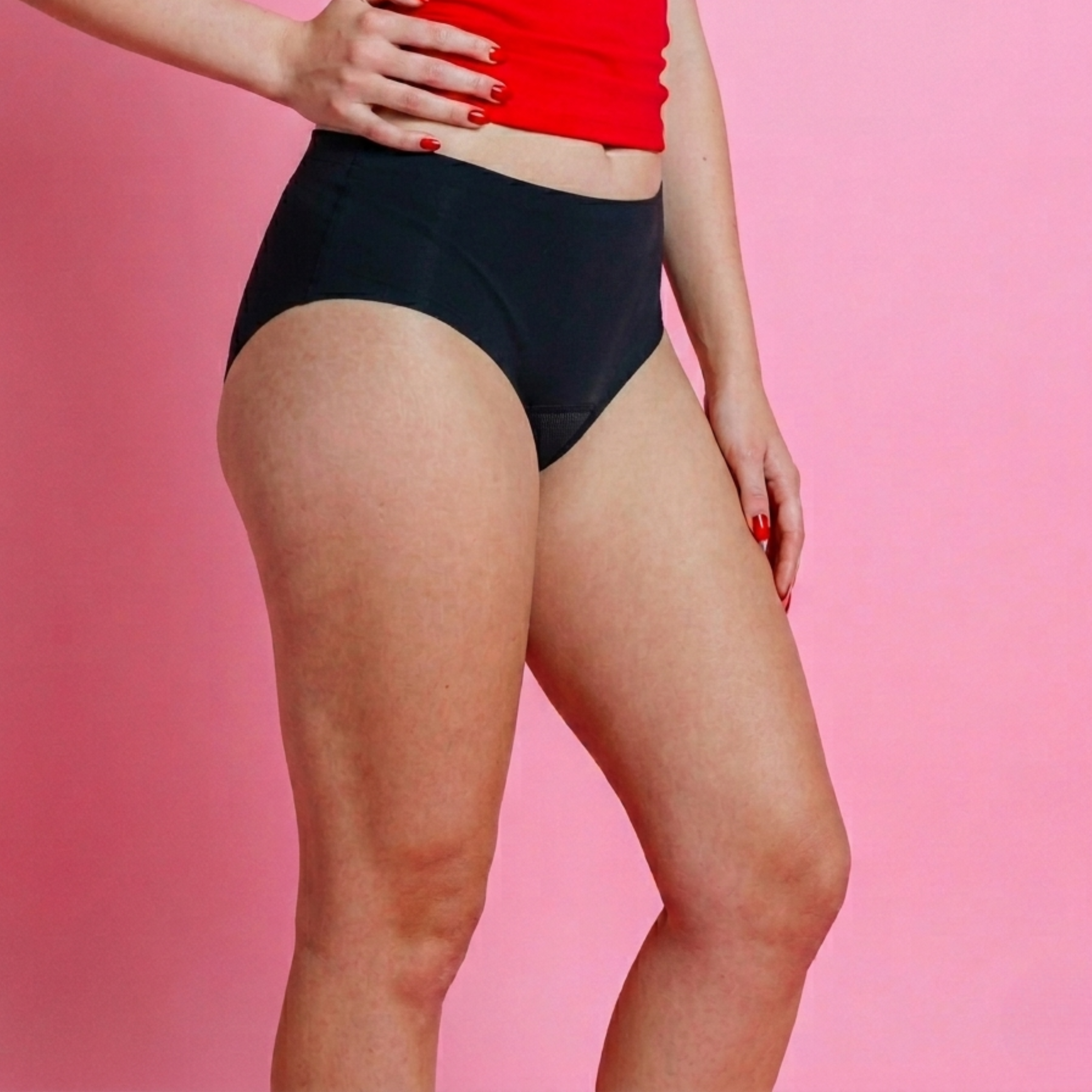
 If the idea of inserting anything feels like a hard pass, period underwear, also called period pants, or period are a great option. And let’s address the question that keeps popping up in search results: yes, you can wear period pants without a tampon. They are not backup, they're the main event. Period pants are designed with multiple absorbent layers built right into the gusset, engineered to wick moisture away from your skin and hold blood securely for hours. You put them on, you go about your day, then rinse and toss them in the wash.
Zero insertion means zero learning curve. This makes period pants the ideal choice for teens just starting their period, for anyone with a history of pelvic pain or trauma that makes insertion difficult, and for the growing number of women who simply don’t want to put something inside their body anymore. There’s no suction to break, no angle to figure out, no public restroom maneuvering required.
For heavy flow, look for pants with a high absorbency rating. The best options on the market in 2026 hold the equivalent of three to four regular tampons, which makes them perfectly viable for overnight protection or long travel days. The key is choosing the right absorbency for your flow, just like you would with a tampon.
The price point of period underwear varies but it's worth seeking out a brand that puts quality at the forefront. High quality period panties are worth the investment. They will last longer and normally have more rigorous standards and leak-proof advancements. Hello Period's range of period pants all have thin gusset technology which means you get the absorbency without the bulk. All the gussets have leakproof sealing and quick-wick technology meaning you will feel dry. Always. They hold 3 - 10 times more than tampons and pads.
The cost math is compelling. While period underwear is a larger upfront cost than sanitary pads, you will recoup the cost within a few months and from then on you'll be saving money. Not only that, but you'll never be caught short. There’s no emergency drugstore run, no borrowing from a coworker, no wadded-up toilet paper backup plan.
3. Menstrual Cups (The OG Reusable)
Menstrual cups are the OG of internally worn reusables and still hold a major place in the period care market for good reason. The savings are the headline here: switching to a cup saves the average person roughly $250 per year and prevents over 11,000 disposable products from entering landfills over a lifetime. That’s not a rounding error. That’s a meaningful chunk of change.
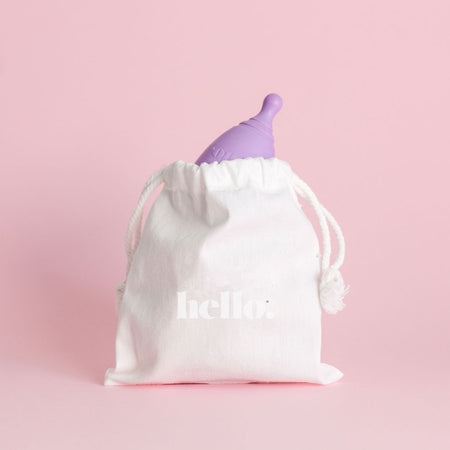
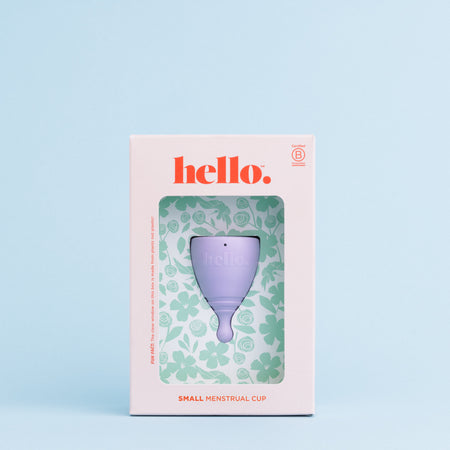
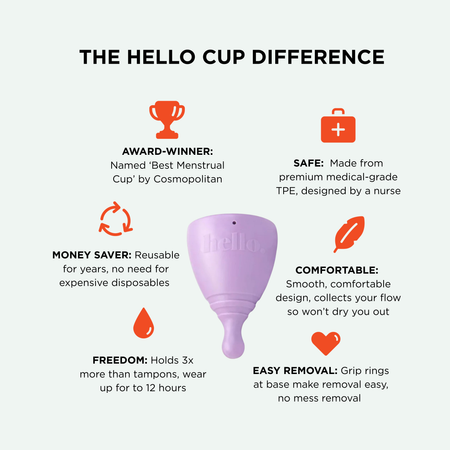
Cups can be worn for up to 12 hours, which means most people can insert one in the morning and not think about it again until evening. For sleep, long workdays, or anyone who hates dealing with their period in public restrooms, that’s a massive quality-of-life upgrade. Hello Cups by Hello Period are one of the most loved and recognised brands, and their cups were named Best Menstrual Cup by Cosmopolitan in their 2022 Holy Grail Beauty Awards.
The honest truth is that cups come with a learning curve. Most people need one to three cycles to get truly comfortable with insertion, positioning, and removal. The suction seal that keeps a cup in place is effective, but breaking that seal requires reaching in and pinching the base.
There’s also the IUD consideration. A 2020 study found that menstrual cup users had a higher rate of IUD dislodgement compared to users of other products. The suspected culprit is the suction created during removal if the seal isn’t broken properly first. The best practice is to always break the seal by pinching the base before pulling down. That said, if you have an IUD and want to avoid the concern entirely, discs and period pants carry no such risk.
4. Reusable Pads and Period Swimwear (The Specialists)
Reusable cloth pads have a devoted following among those who prefer external protection. They’re made from soft, breathable fabrics, they snap around your underwear, and they eliminate the crinkly plastic feeling of disposables. They’re especially popular for postpartum recovery, sensitive skin, those on a mission to reduce waste from their lives. Traditionally the cloth pad space has been the realm of small business owners selling homemade creations via online forums. That's changing with brands such as Hello Period using the advanced technology in their period panties to create pads that are thinner and more absorbent than single-use sanitary pads.
Period swimwear is the category nobody’s talking about enough. If you’ve ever searched for an alternative to tampons for swimming, you’ve probably hit a wall of advice that boils down to “use a cup or a disc.” While they are great options, period swimwear is a dedicated solution that deserves more attention. These suits and bottoms have leak-proof, absorbent layers built in. You put them on, you swim, you rinse them out afterward. No insertion, no strings, no worries about a tampon string peeking out. For beach days, pool parties, or anyone who just wants to swim laps without thinking about their period, this is a genuine option. The good news is period swimwear is becoming more readily available and Hello Period have a one piece black period proof swimsuit that is a firm favourite with teenagers who want a plain swimsuit that doesn't scream 'period swimwear'.
How to Choose the Right Tampon Alternative for Your Life
The best product isn’t the one with the most features. It’s the one that fits your actual life. Here’s how to think about it.
By flow. Heavy flow calls for high capacity. A menstrual disc holds up to six tampons’ worth and adds the auto dump feature, making it the strongest contender for heavy days. Cups also offer high capacity and 12-hour wear. For light flow days, period pants or reusable pads are worth considering.
By activity. Swimming narrows the field to period swimwear, discs or cups. Mess-free sex narrows it to a disc. Yoga, sleep, and long workdays are well served by discs, cups or period pants - all of which offer extended wear compared to single-use pads and tampons.
By comfort level. If you hate the idea of insertion, period pants are your obvious starting point. If you’re willing to learn a new skill for the payoff of internal protection, a cup or disc is worth the effort. If you want internal protection but dread the suction and removal process of a cup, go disc. The removal tab on the Hello Disc makes it the easiest internal option to take out.
The Real Cost: Tampons vs. The Alternatives
The numbers are staggering once you zoom out. People who menstruate spend an estimated $6,000 to $12,000 on disposable period products over a lifetime. That’s not a typo. That’s a huge amount of money that you're literally throwing away.
Over five years, switching to reusables saves roughly $750. People menstruate for approximately 40 years. You do the math.
The environmental math is even starker. The average person will use and discard over 11,000 - 18,000 tampons and pads in their lifetime. Those products don’t biodegrade quickly. They sit in landfills, they contribute to ocean plastic, and the manufacturing process keeps churning out more. Reusables are a one-time purchase that stops that cycle.
Hello Period’s approach to this is straightforward: make products that last, design them thoughtfully, and don’t treat periods like a problem to be hidden. Real founders, real design, real savings.
Safety First: What You Need to Know (TSS, IUDs, and pH)
Safety is the undercurrent driving a lot of the switch away from tampons, and it’s worth understanding the actual risk profile of each option.
TSS risk is highest with tampons, particularly high-absorbency ones left in too long. The CDC has documented this for decades. Cups and discs carry a lower risk, they collect blood rather than absorb it so the risk of micro abrasions, which can create pathways for bacteria, are far less.
For IUD users, the news is mostly good. Discs and period pants are considered completely safe with an IUD because there’s no suction involved. The 2020 study that raised concerns specifically looked at cups, and the issue was almost certainly related to the seal. If you use a cup with an IUD, break the seal before pulling. If you want to avoid the question entirely, a disc or period pants eliminates the concern.
The pH and bacterial balance issue circles back to what tampons do inside the body. By absorbing everything, they dry out the vaginal tissue and disrupt the microbiome that keeps infections in check. Discs and cups collect blood without absorbing it, which means your natural moisture and pH stay more stable. The material matters too. Hello Period uses medical-grade silicone for its discs and cups, and OEKO-TEX Standard 100 fabrics and textiles to created their period pants and reusable pads. OEKO-TEXO is a globally standardised, independent testing system to ensure they are free from harmful substances, including PFAS. No toxins, no mystery ingredients, no “proprietary” blends that don’t have to be disclosed.
Why Hello Period? Real Founders, Real Design
Hello Period wasn’t dreamed up in a boardroom by people who’ve never menstruated. The founders, Robyn McLean and Mary Bond, a registered nurse, are childhood best friends who were fed up with the lack of innovation and care in the period industry. They wanted their daughters to have better, higher quality period care options so took matters into their own hands.
The thoughtful design shows up in the details. The Hello Disc has a patented removal tab that makes taking it out simple and mess-free, no digging required. The period pants have a gusset with advanced leakproof sealing (because gussets that are 'stitched' can create an area for seepage). These are small things on paper, but in practice, they’re the difference between a product you tolerate and one you actually like using.
Hello Period ships across the US and internationally, and the brand has built a genuine community around the idea that periods don’t have to be a monthly ordeal. It’s not just a store. It’s a growing movement of people who are done with the old way of doing things.
Ready to ditch the dryness, the leaks, and the toxins? Explore the Hello Period collection, including the Hello Disc, Hello Cup, Hello Undies and Hello Pads.
Frequently Asked Questions
Can you wear period pants without a tampon?
Yes. Period pants are designed to be worn alone. They absorb menstrual blood directly into the built-in fabric layers. No tampon, cup, or pad is needed alongside them.
What is the best tampon alternative for swimming?
A menstrual disc is the best internal option for swimming, since it sits high in the vaginal canal and won’t leak. Period swimwear is the best external option, with absorbent leak-proof layers built right into the suit.
Are menstrual discs safe for heavy flow?
Yes. A disc holds the equivalent of six regular tampons or more. For many, the auto dump feature also allows the disc to partially empty when you use the toilet, which extends wear time even further on heavy days.
What is the best tampon alternative for teens?
Period pants or reusable pads are the most approachable options for teens. There’s no insertion, no learning curve, and no need to manage a product in a school bathroom stall. They’re straightforward, comfortable, and private.