Managing your period day to day is one thing but managing it while you’re playing sport can be a whole other ‘ball game’.
Playing sports when you have your period can take a little extra planning, especially when you’re still working out what your cycle is like, which products you prefer and how heavy your flow tends to be. But having your period doesn’t mean you need to sit on the sidelines, skip swimming or miss training.
The goal isn’t to pretend your period doesn’t exist - it’s to know what to do when it turns up and what products give you the confidence to participate without stressing about leaks or discomfort.
Be prepared before you need to be
One of the easiest things you can do is make yourself a small period sports kit and leave it permanently in your school, gym or sports bag. You don’t need to carry half the bathroom cabinet around with you. A couple of period products you know how to use, a spare pair of underwear and a reusable wet bag or zip bag for anything that needs to come home with you is usually plenty.
If you know your period is due, think about what you have on that week. A three-hour athletics meet, swimming competition or Saturday tournament may need a bit more planning than a normal school day.
It can also help to get familiar with your flow. If day two is usually your heaviest day, that’s useful information. On those days you might choose a higher-capacity product or add backup period underwear, rather than discovering halfway through a game that the light-flow product you normally love isn’t quite up to the job.
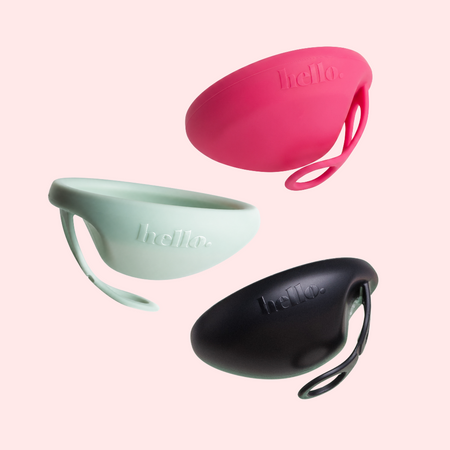
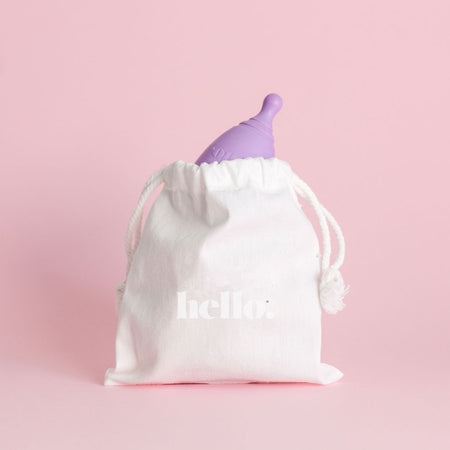
There’s no “best” period product for every teenage athlete. Period underwear, pads, tampons, cups, discs and period swimwear can all have a place. Choose something that feels comfortable for your body and your sport.
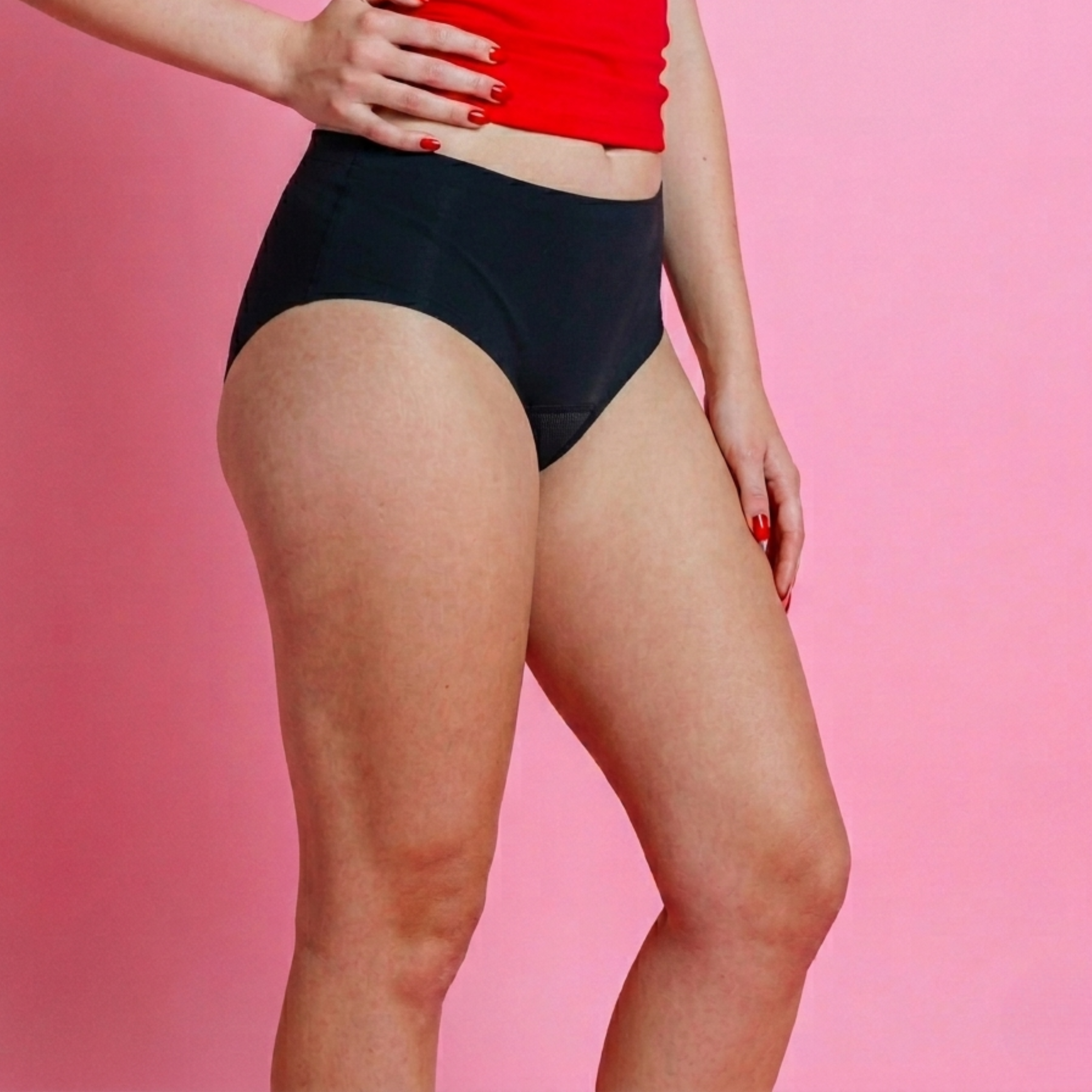
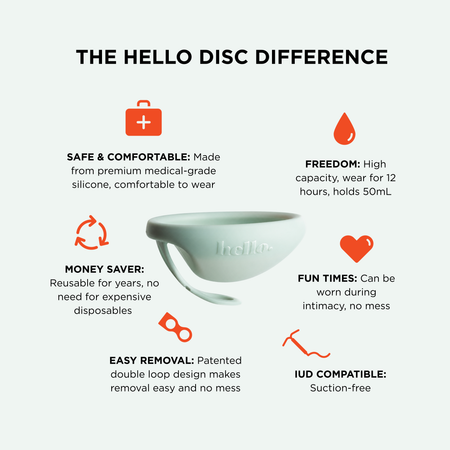
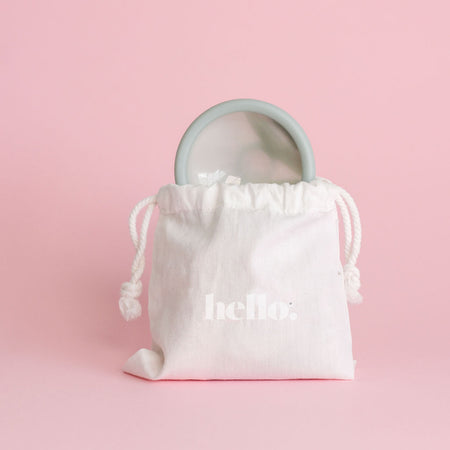
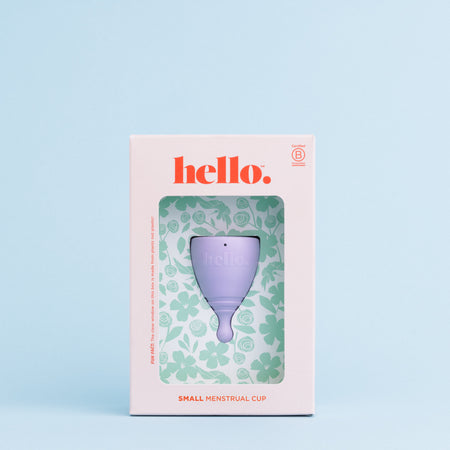
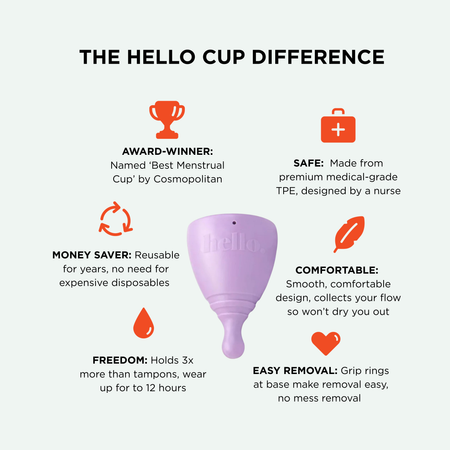
Period underwear can be especially easy because you wear it just like normal underwear. Hello Period’s Sweet Cheeks period thong, for example, can be useful for lighter days, dancing, the gym or under leggings, while the Best in Show boxer offers much more coverage and capacity for heavier days. If you’re comfortable with internal period products, a menstrual disc can also be worn during exercise and swimming.
The important bit is trying something before a big game or race. Ten minutes before your swimming final is not the ideal moment for your first attempt at inserting a cup or disc.
What happens if you leak during a game?
First of all, leaking is incredibly common. It can still feel absolutely mortifying when it happens to you, but try to remember you are not the first and won’t be the last person to have a period leak in public.
If you notice a leak while you’re playing, training or competing, get yourself to a bathroom or changing room when you can. Change your period product if necessary and put on your spare underwear or shorts if you have them.
No spare clothes? Ask someone. A teammate, coach, PE teacher, parent or sports manager may be able to help. You don’t need to provide an elaborate explanation. “I’ve got my period and I’ve leaked. Do you have somewhere I can change?” is enough.
If you’re worried there might be a visible mark while you get off the court or field, tying a sweatshirt around your waist can give you a bit of coverage until you reach the changing room.
For team sports, it’s worth talking to your coach beforehand if period leaks are something you’re particularly worried about. Some teams have spare uniform pieces available, and knowing there’s a backup plan can remove a surprising amount of anxiety.
And if someone notices? It will probably feel far more significant to you than it does to everyone else. Clean yourself up, change what needs changing and get on with your day.
Reducing the chances of leaks
If leaks are making you nervous during sport, planning is much more useful than simply telling yourself not to worry.
Change or empty your period product just before training or a game if you need to. Match the absorbency or capacity to your flow, particularly on your heavier days. You can also double up in ways that make sense - for example, using period underwear or reusable pad as backup with a tampon, cup or disc.
If you’re playing for several hours, work out when you’ll have opportunities to use the bathroom. Half-time, between races or immediately before warm-up can be useful moments.
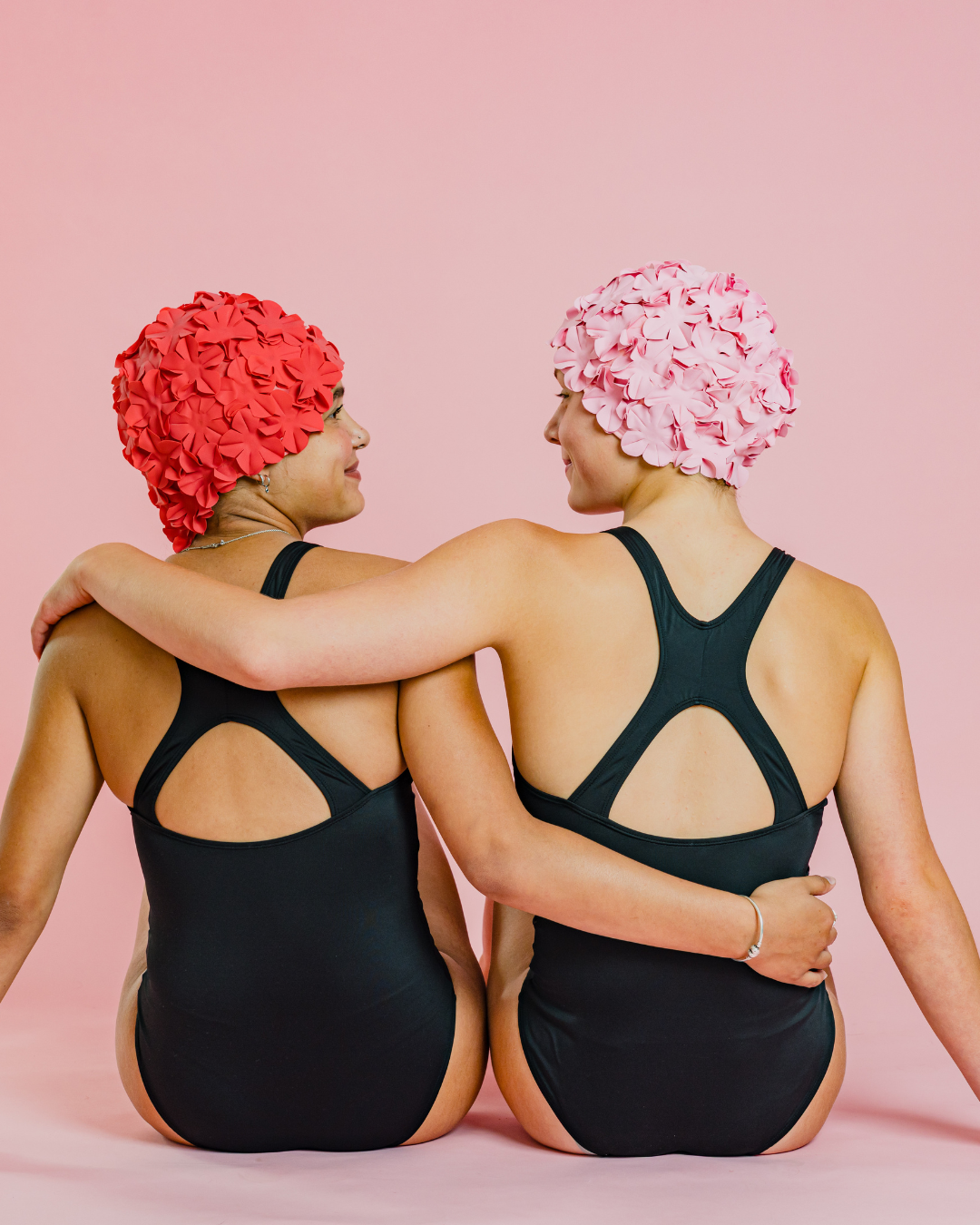
Swimming takes slightly different preparation. Ordinary pads aren’t designed for swimming because they’ll absorb pool or sea water. Instead, you can use an internal period product if you’re comfortable with one, or period swimwear if you’d rather not insert anything.
What if your period hurts?
Playing sport with mild cramps can feel completely manageable for one person and horrible for another.
Some people find movement actually helps. A walk, easy swim, stretching, gentle cycling or a lighter training session can feel good when you have cramps. But you absolutely do not need to push through a hard workout because you think that makes you tougher.
If you normally train at high intensity, give yourself permission to adjust the session. You might reduce the weight you’re lifting, shorten the run, skip the hardest intervals or focus on technique instead.
Heat can also be helpful for cramps before, during or after training. Heat patches can be worn under your clothing and will deliver soothing heat for hours. Some people use an appropriate pain reliever if they normally take one and it is safe for them to do so.
You can tell your coach something as simple as, “I’ve got pretty bad period cramps today. Can I adjust the session if I need to?” You don’t have to announce your entire menstrual history.
Most importantly, severe period pain shouldn’t automatically be treated as something you just need to put up with. If your pain regularly stops you going to school, sleeping, training or taking part in normal activities, talk to a parent, caregiver or healthcare professional.
Pay attention when your period changes
Training a lot can sometimes coincide with changes to your menstrual cycle, but your period disappearing shouldn’t be viewed as proof that you’re becoming a more serious athlete.
Missing or significantly changing periods can have several causes and deserve proper assessment, particularly if the changes continue. In athletes, menstrual changes can sometimes be linked with not getting enough energy from food to support both everyday body functions and the amount of training being done.
Very heavy periods are also worth discussing with an adult or healthcare professional, particularly if you’re regularly bleeding through clothes, needing to change protection extremely frequently, feeling dizzy or unusually tired, or missing sport and school because of your bleeding.
The biggest confidence boost? Having a plan
Period confidence doesn’t mean never leaking, never getting cramps or somehow knowing exactly when your period is going to arrive.
It means knowing that if something happens, you can deal with it.
Pack a couple of products. Keep spare underwear in your bag. Learn what your heavier days are like. Try new period products at home before relying on them at a competition. Know where the bathrooms are. Tell your coach when you need five minutes. Adjust your training when your body is telling you it needs something different.
Your period is allowed to be part of your life as an athlete.
Sometimes you’ll train exactly as normal. Sometimes you’ll need a bathroom break. Sometimes you’ll have a brilliant game while you’re on your period, and sometimes you’ll decide that cramps plus a freezing 7am training session is a combination you could happily live without.
What matters is having enough information, support and period care that your period doesn’t get to make the decisions for you.
Medical note: This article provides general information only. Teenagers or parents concerned about very heavy bleeding, significant pain, missing or irregular periods, dizziness, fatigue or other health symptoms should speak with a qualified healthcare professional.